Around That Moment
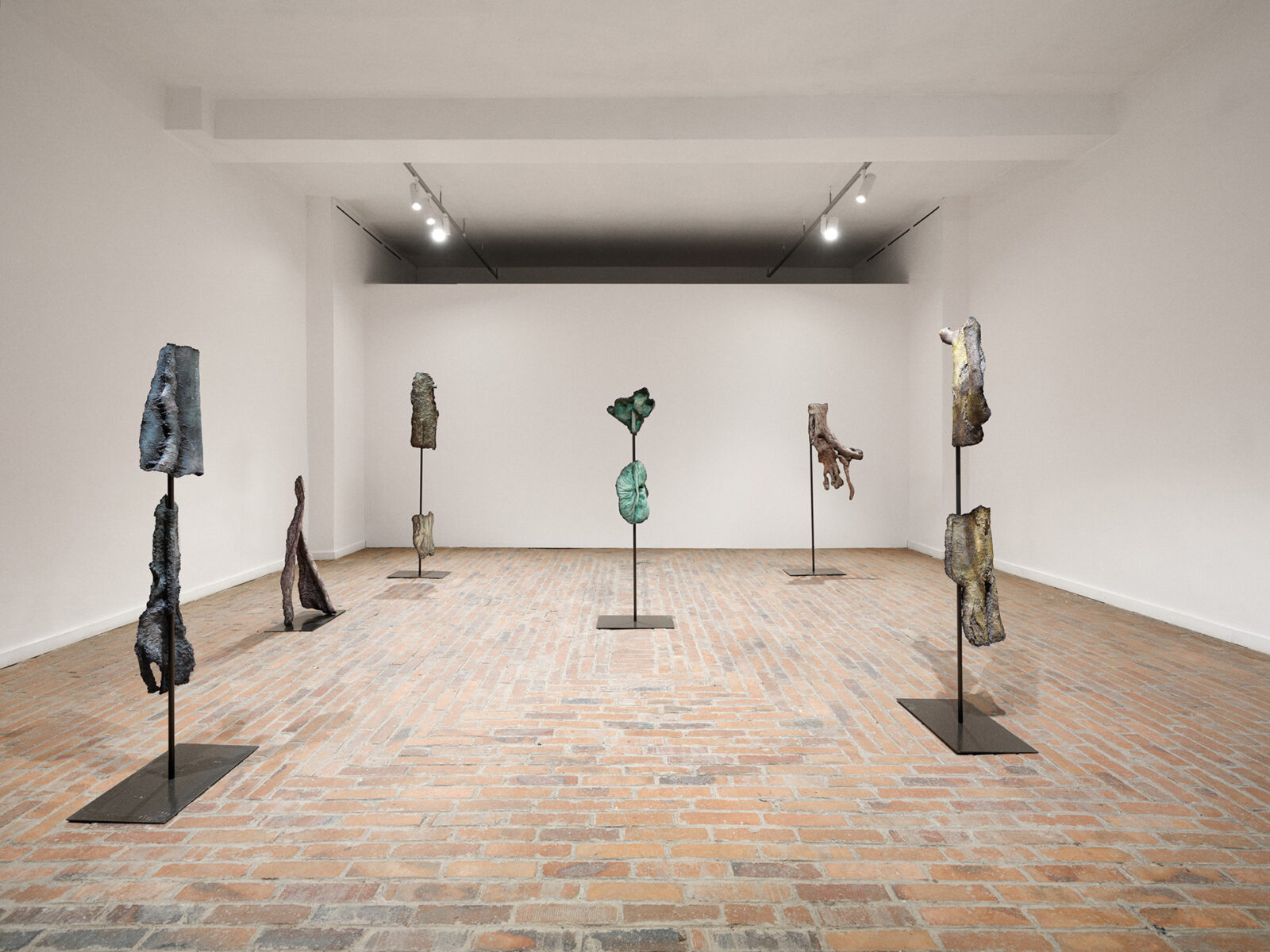
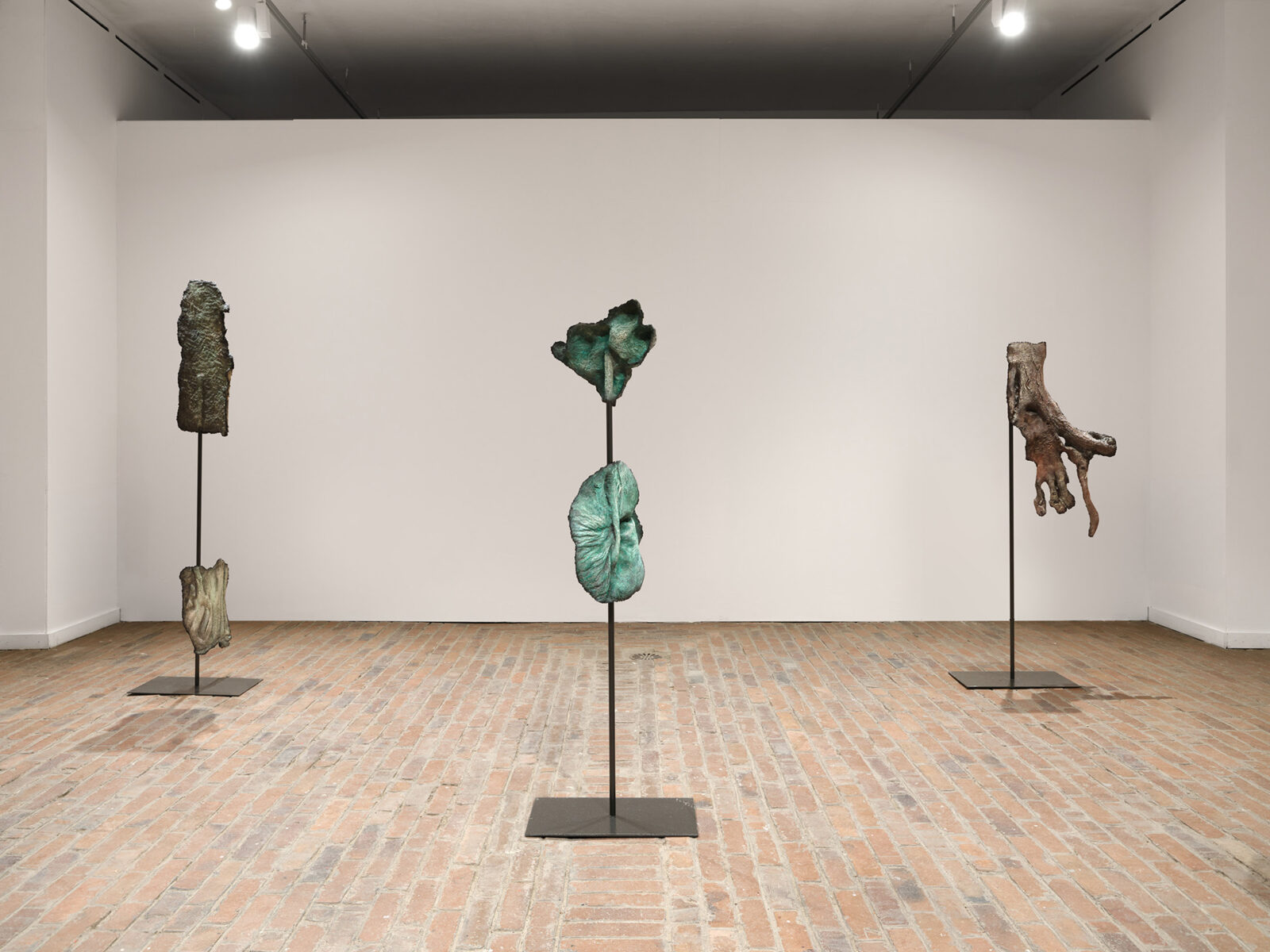
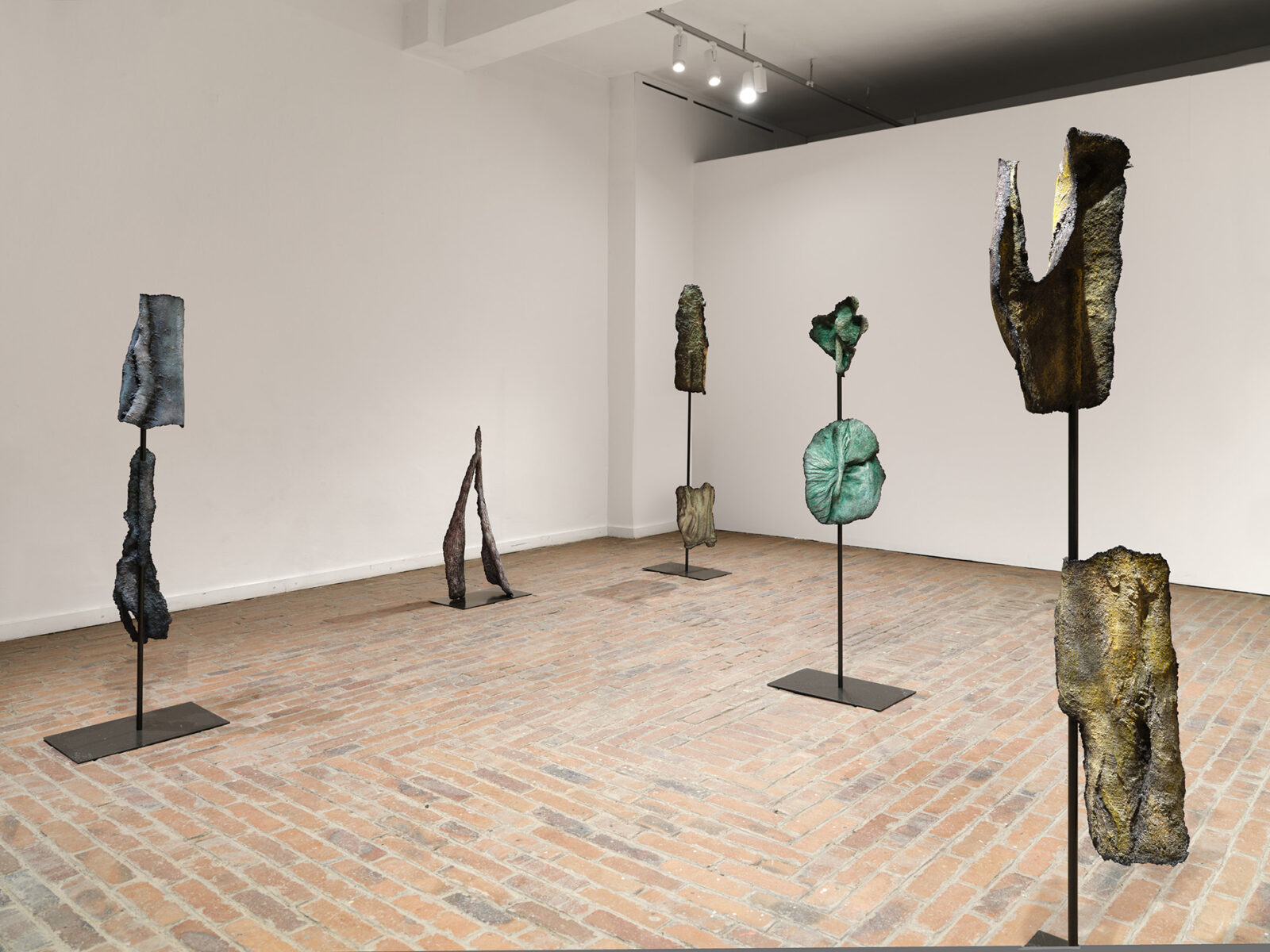
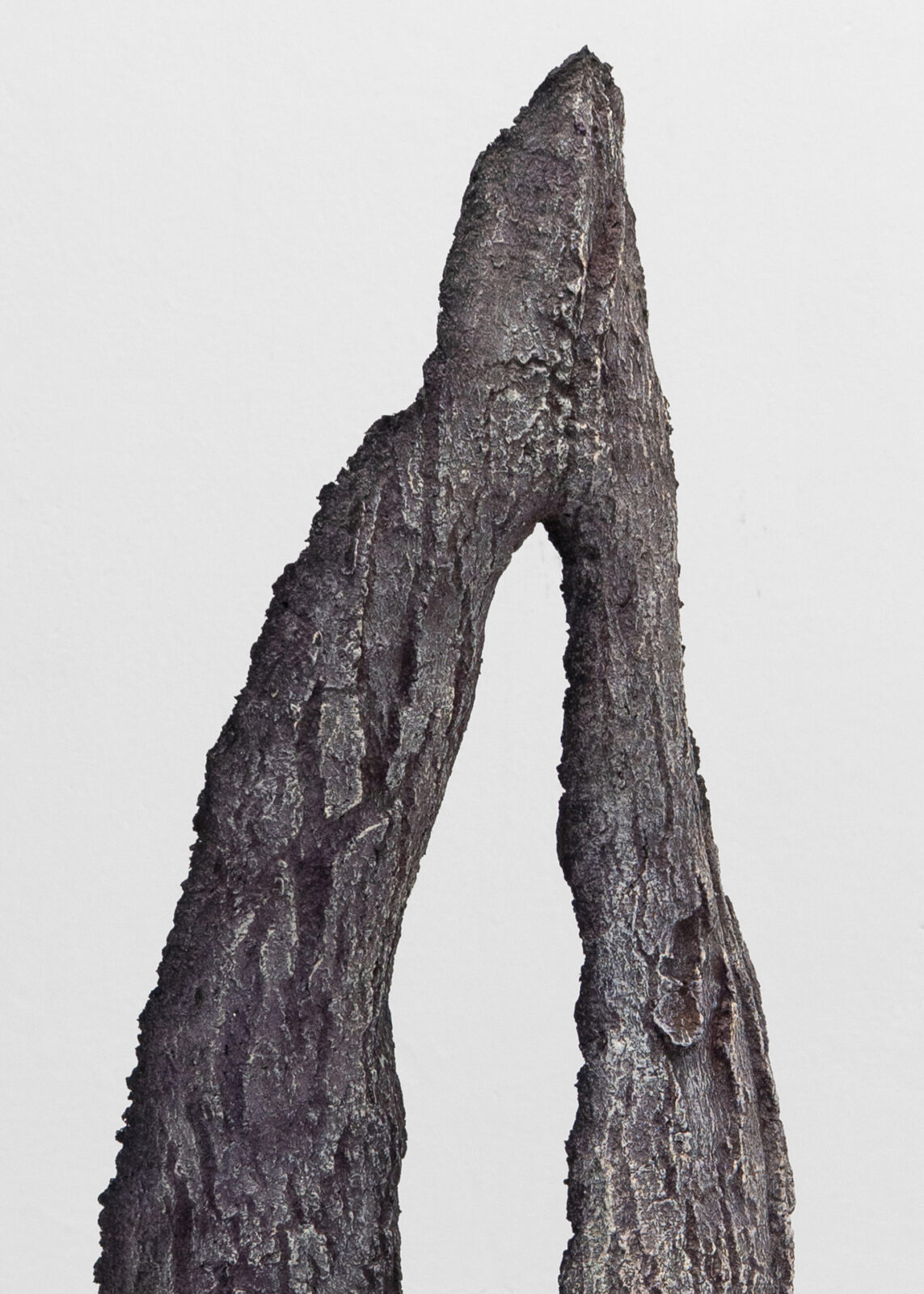
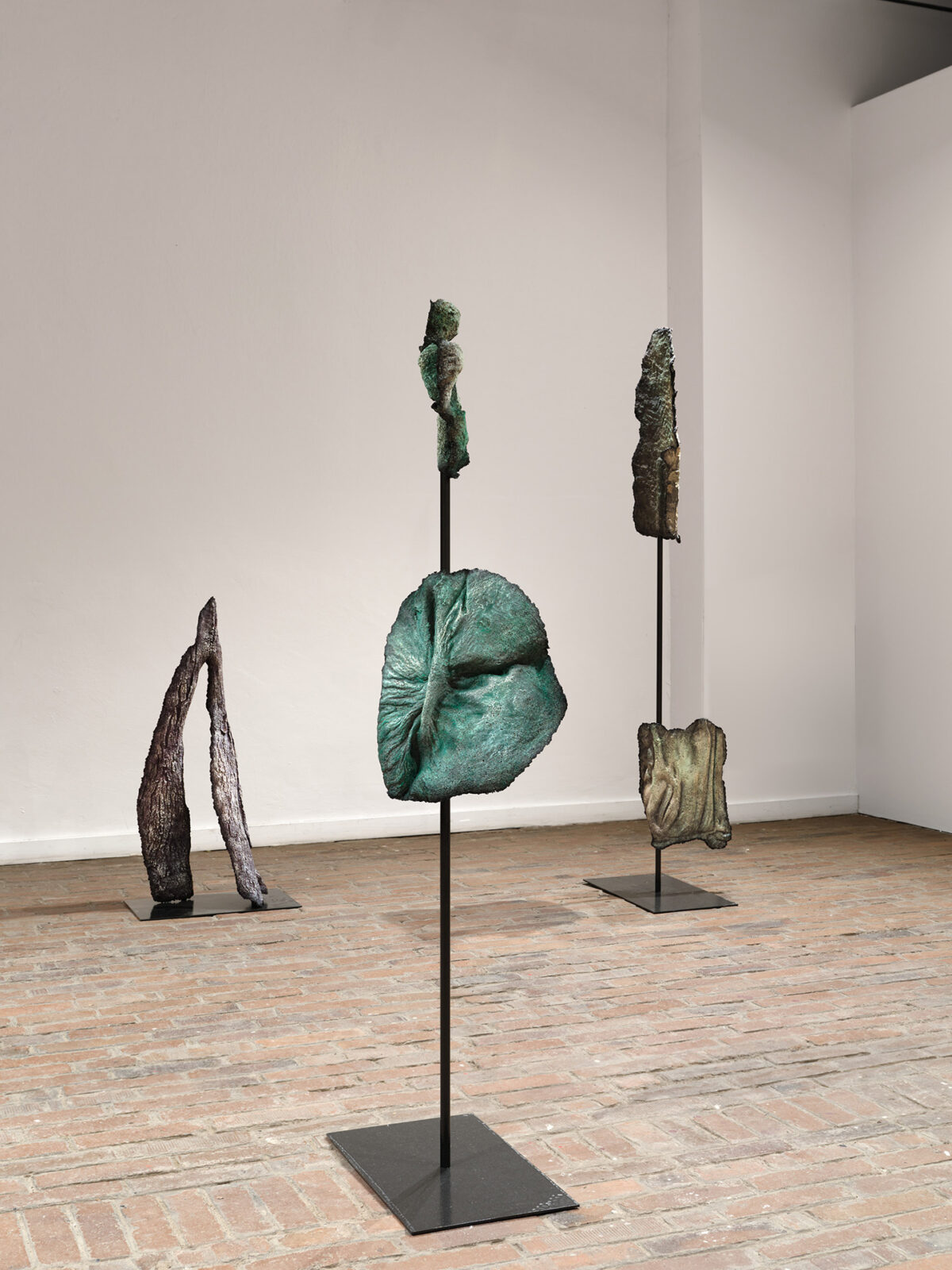
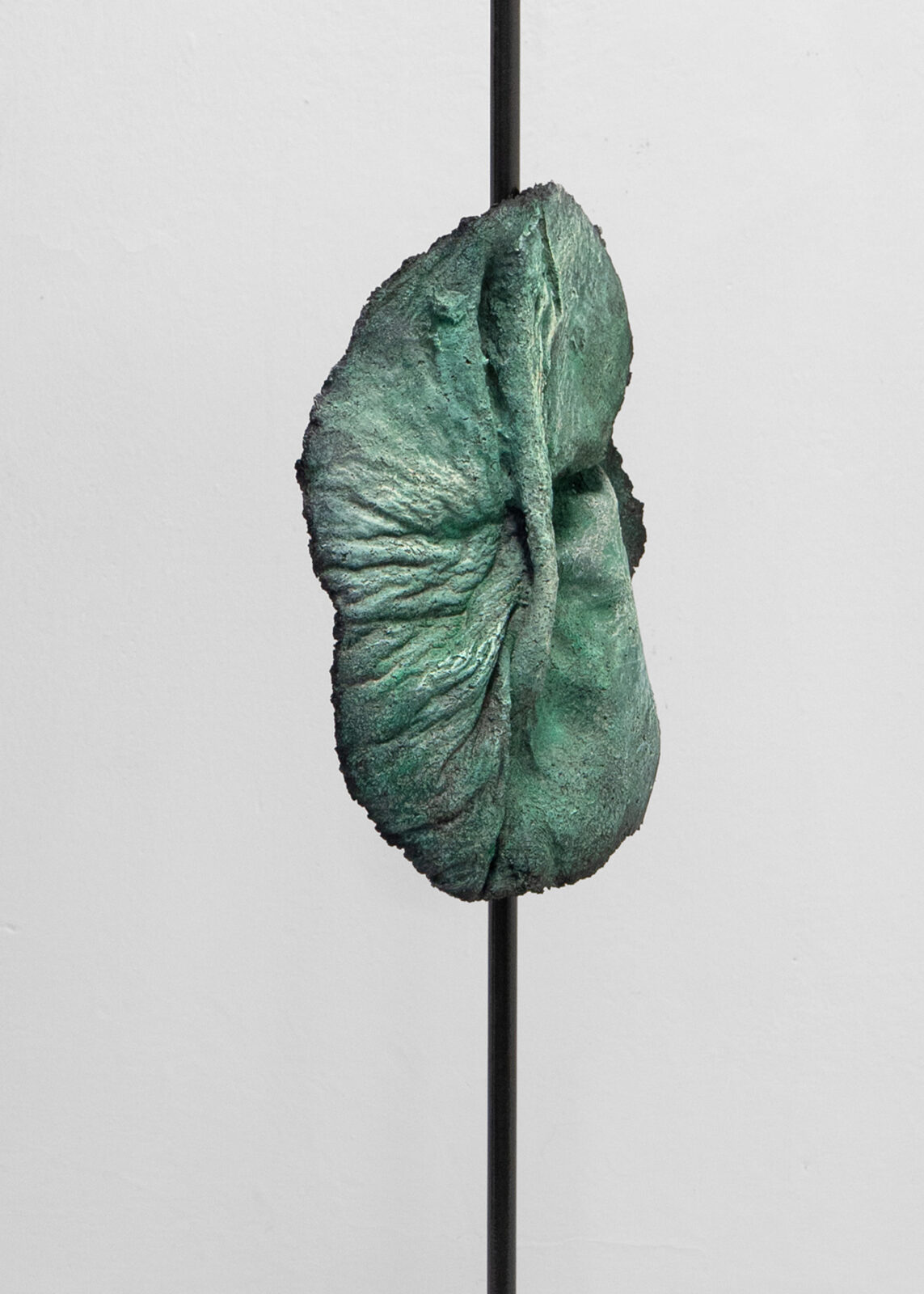
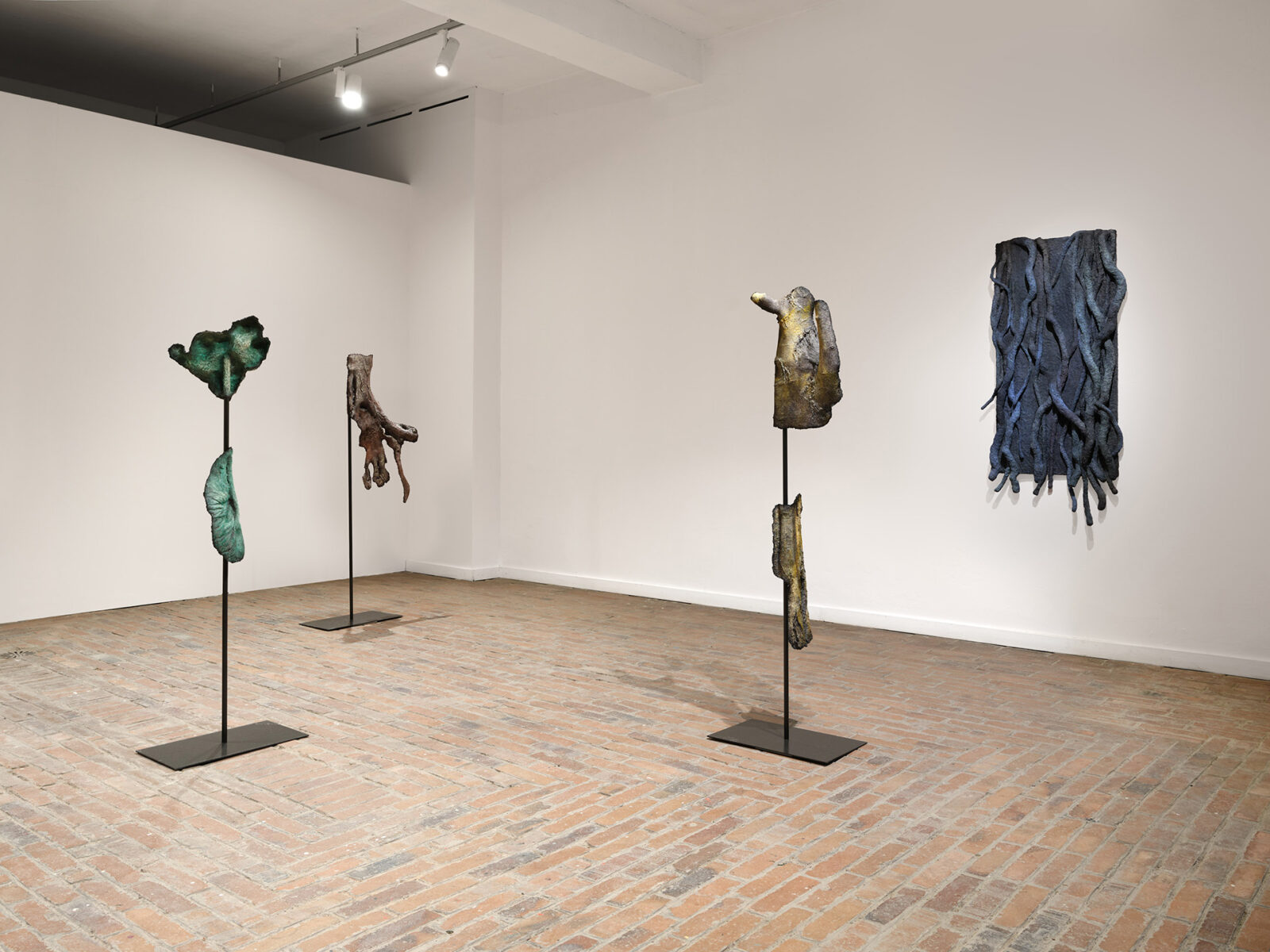
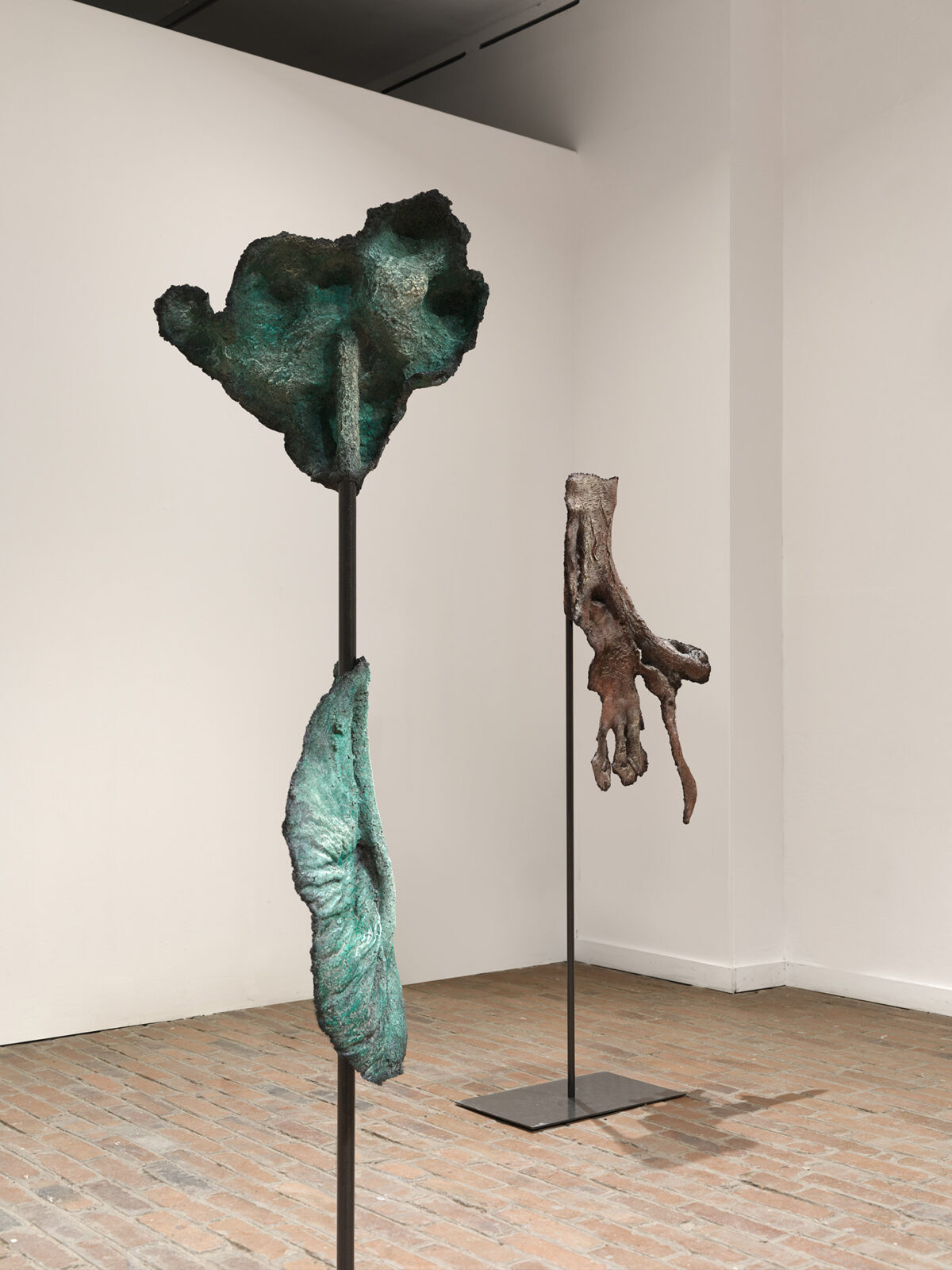
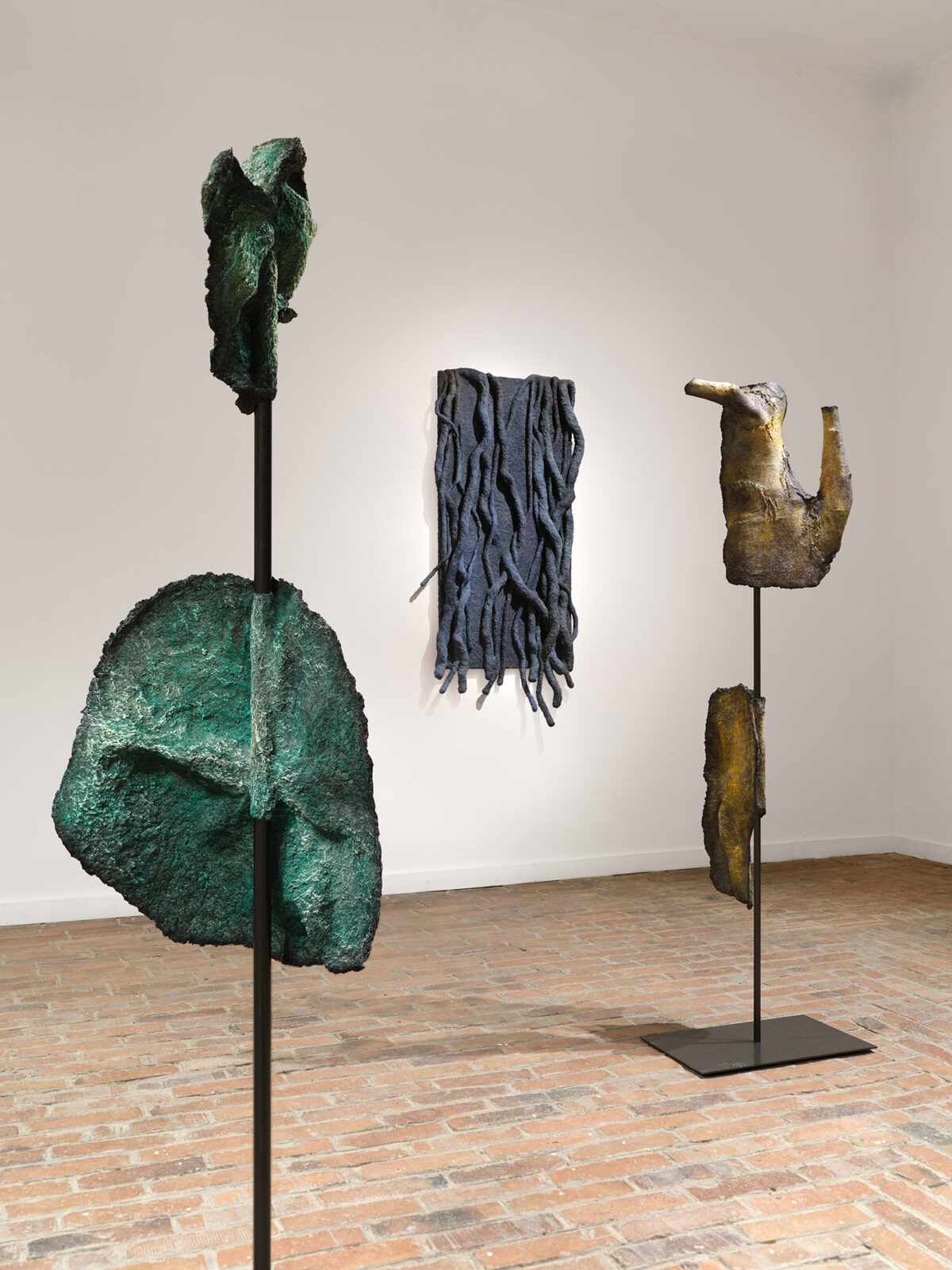
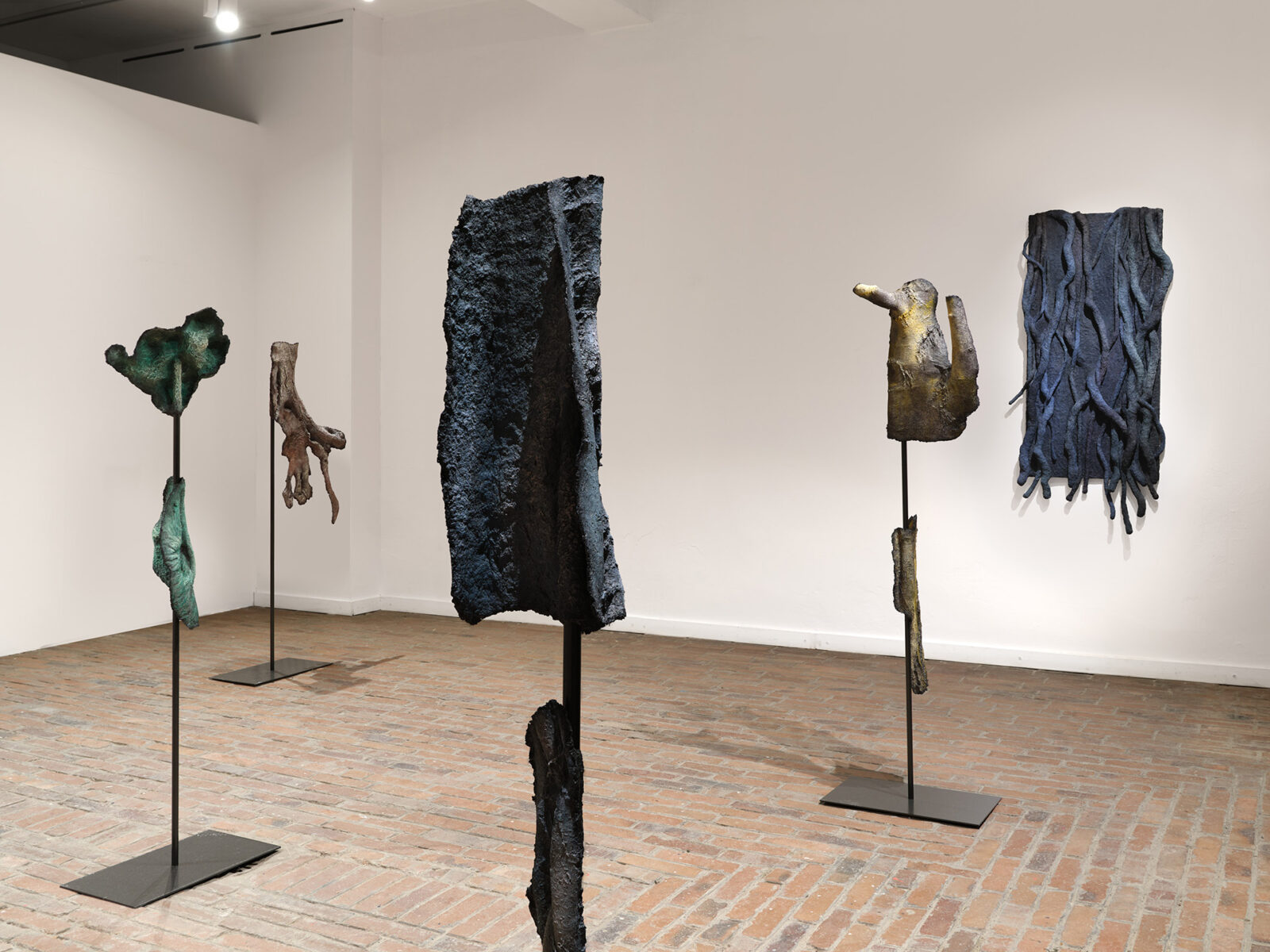
Gizela Mickiewicz’s exhibition is the first solo presentation of the artist’s work at the Centre of Polish Sculpture in Orońsko. This original installation – composed from a sculptural cycle – captures the experience of the park that surrounds us, whilst also forming part of a series that Mickiewicz has been consistently developing for some time.
As we stroll along the paths, streets or country lanes, we let ourselves be carried away by memories of the days gone by. One thought leads to another, and so, as we gaze out over the landscape, we stray both from the path and from the subject. The starting point for the exhibition in Orońsko is therefore a reflection on the space that surrounds us nowe-here. The artist explores the relationships between the body and its surroundings, memory and place, culture and nature. To this end, she draws on the spontaneous, nomadic practices of the French situationists of the 1960s to experience the places around her in the spirit of psychogeography.
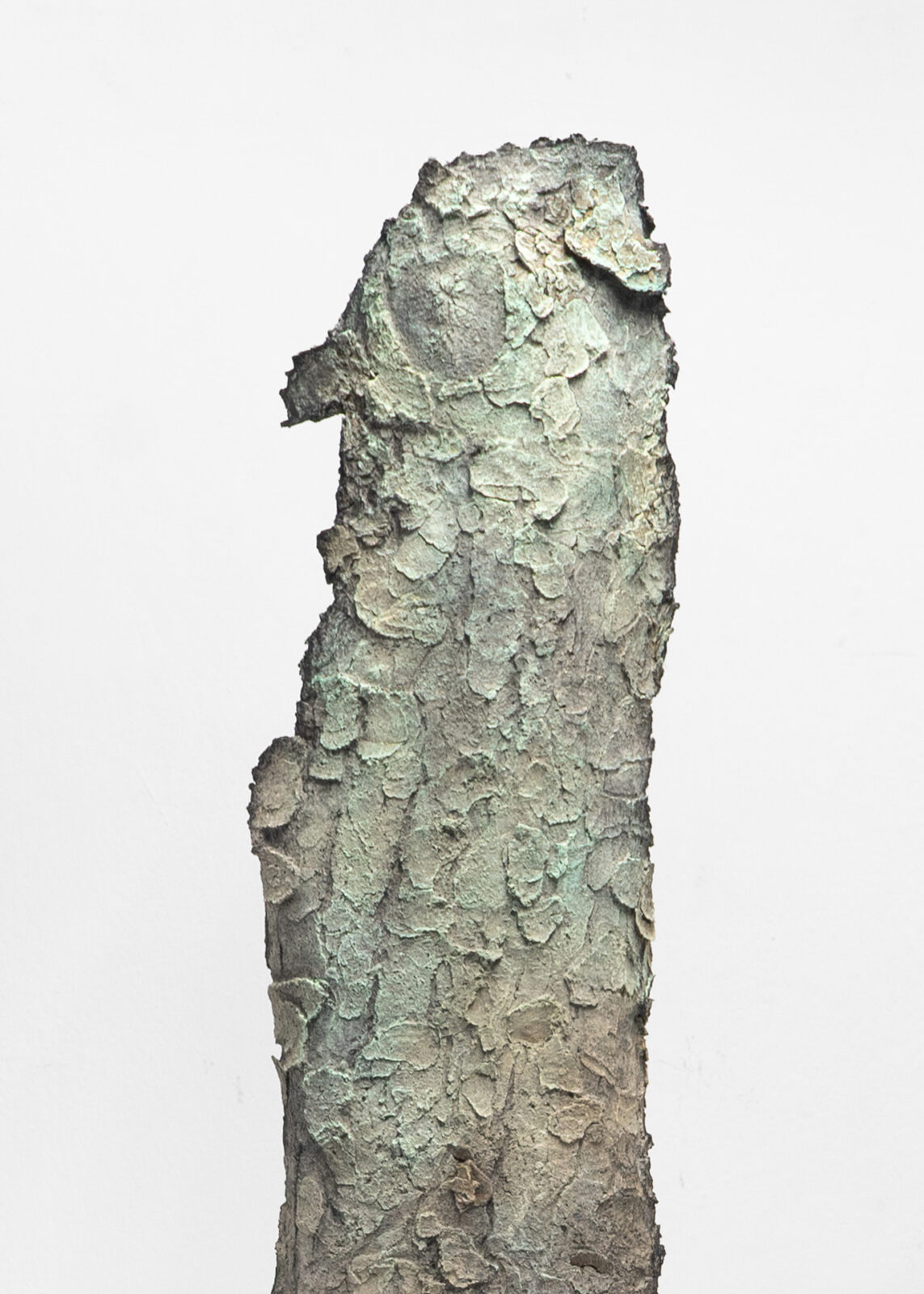
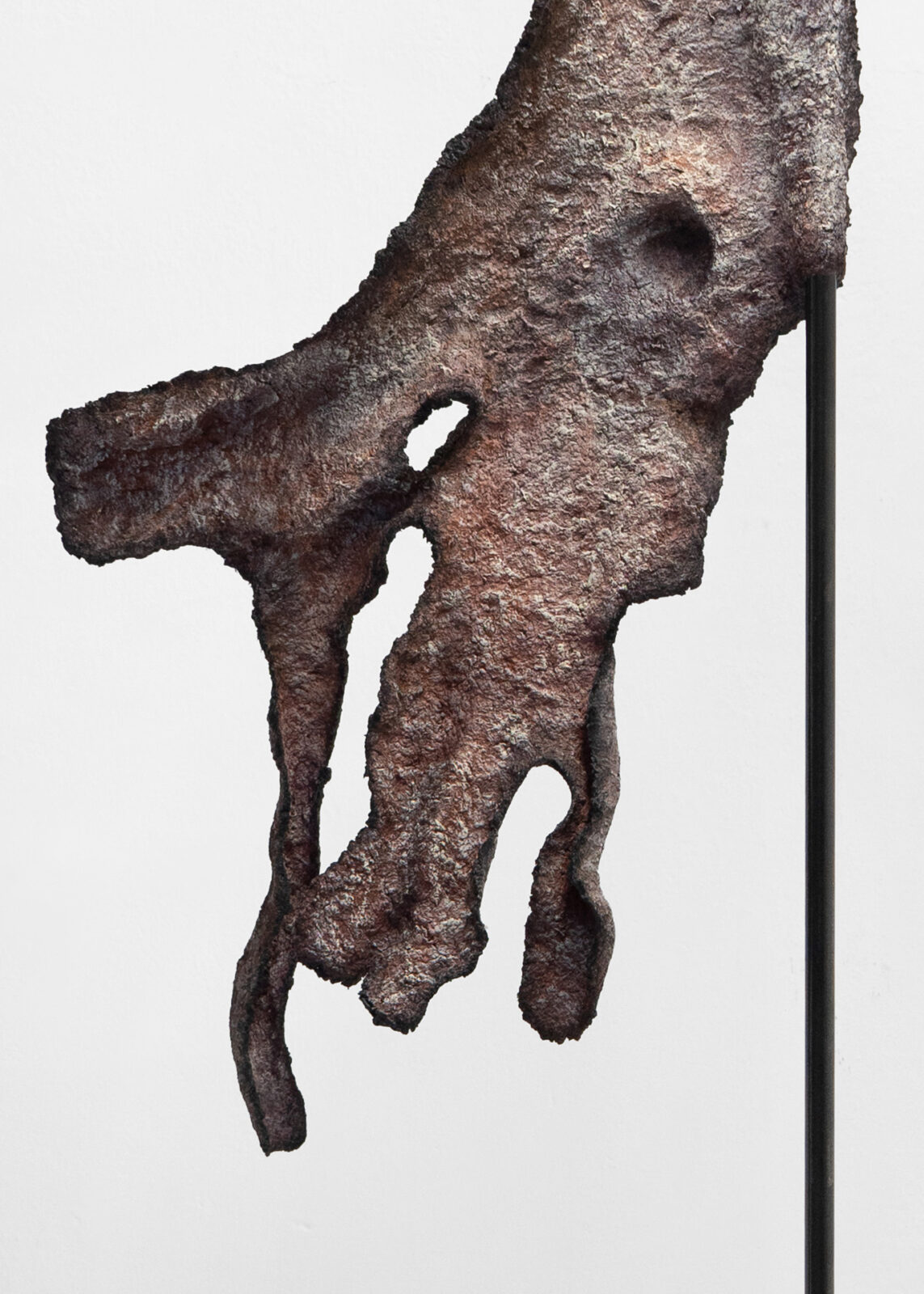
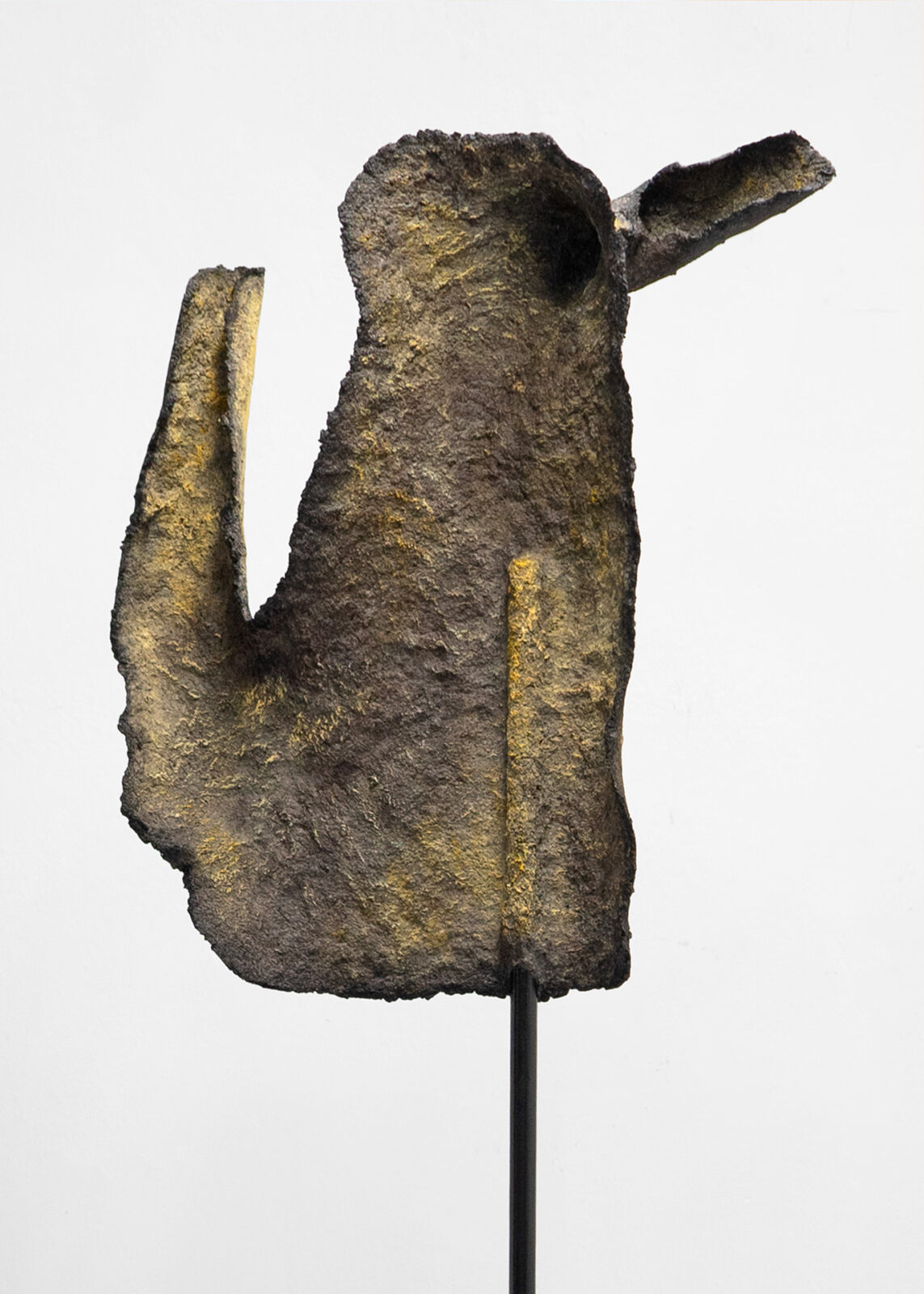
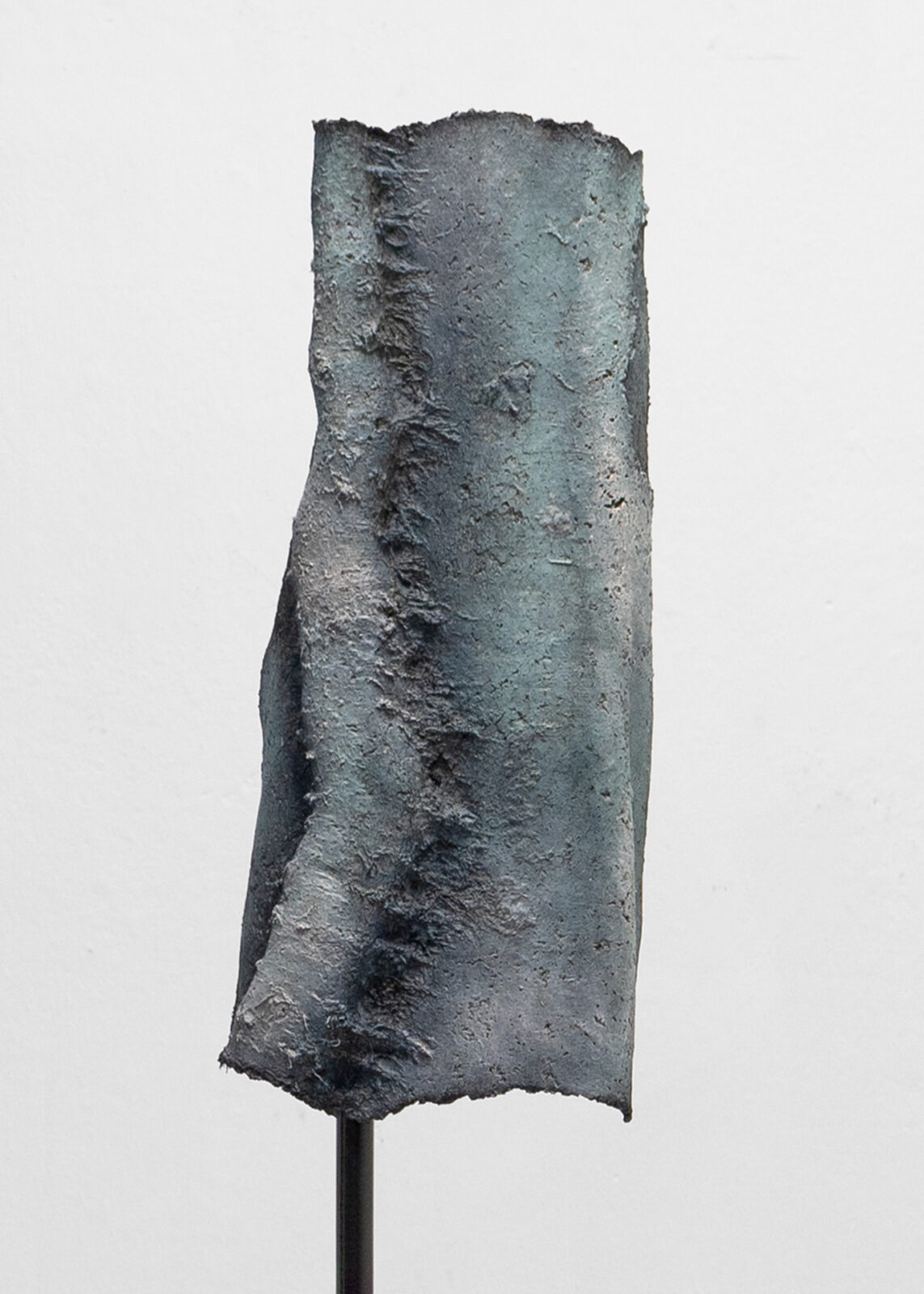
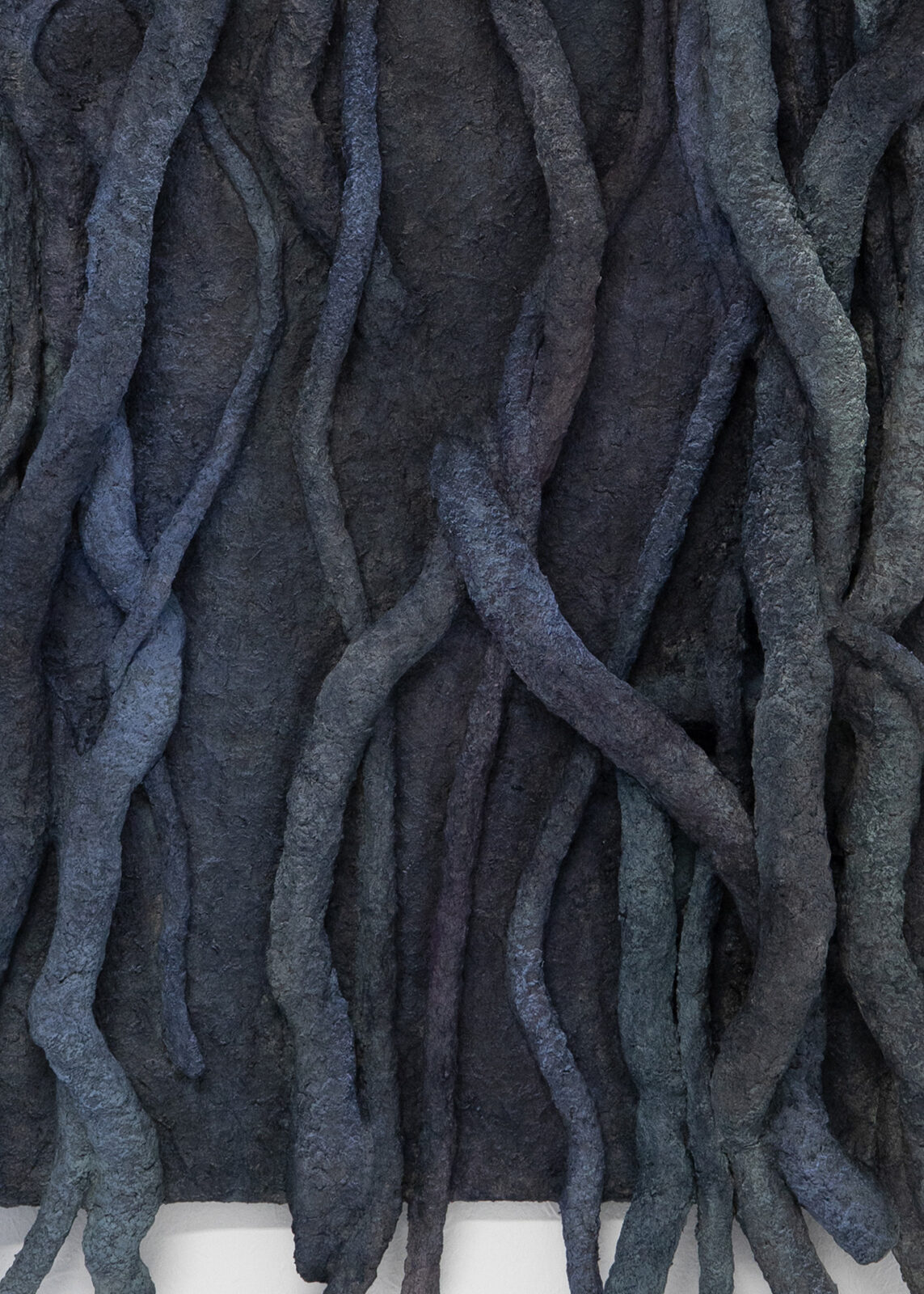
A key element of Mickiewicz’s creative process is an empirical approach, rooted in time and grounded in a specific place. The artist searches the space around her for distinctive features that can serve as a portrait of a given area. She draws negative moulds of the selected section directly from nature, and then uses them to create a three-dimensional, positive form – a sculpture that captures the character of the place. One might say that she explores what Georg Simmel, Georges Perec, Arnold Berleant and Juhani Pallasmaa described, i.e. the fact that the body not only sees, but above all feels the elements of the landscape, because it is itself part of it. However, Mickiewicz seeks to bring the experience of the sensing the given landscape even closer by drawing on the fourth dimension – time. By choosing places that are accessible to all – not so much extraordinary as simply overlooked in everyday life – she creates a unique kind of natural monuments.
- The artist deconstructs and breaks down the view into sections using the language of sculpture. She uses smaller points to represent a larger area, which in this case is the park of the Centre of Polish Sculpture. However, this is a snapshot of the area at a given moment, for after a short while – as the weather, part of day or season changes – everything gets transformed. Mickiewicz’s installation enables something infinitely complex and elusive – resembling the natural world – to become tangible in a specific place and time through art.
- Curated by Aleksandra Pietrzak