View Points
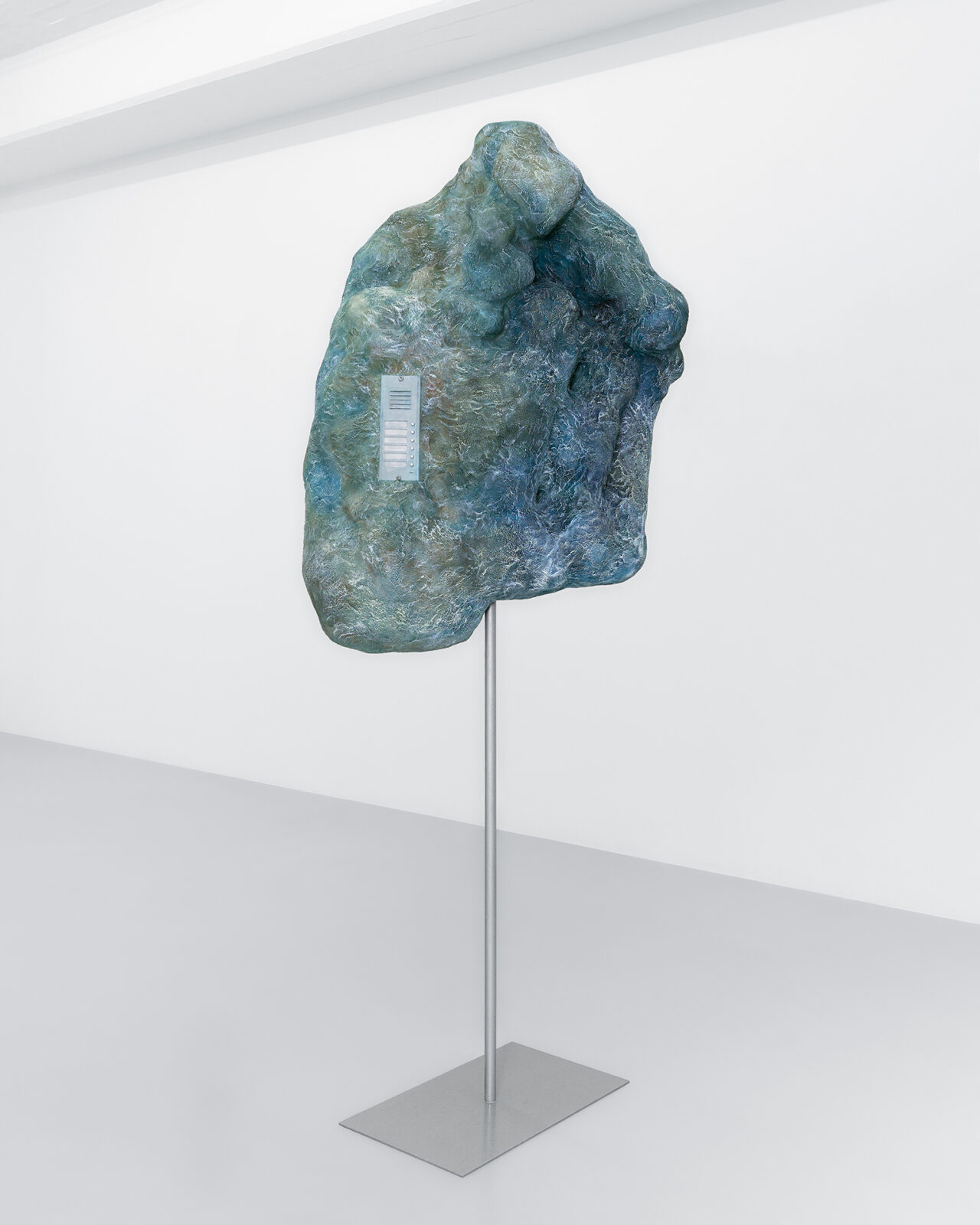
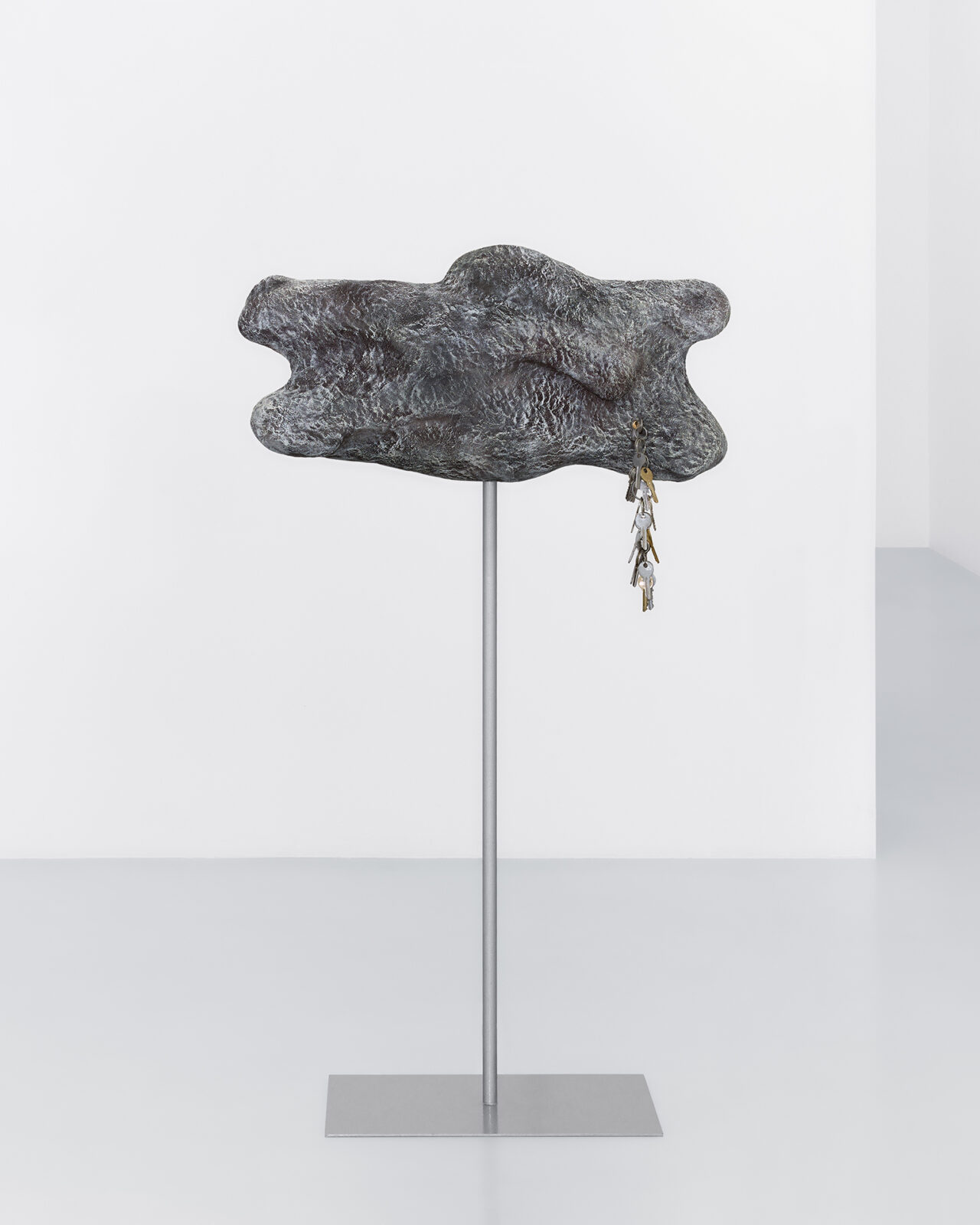
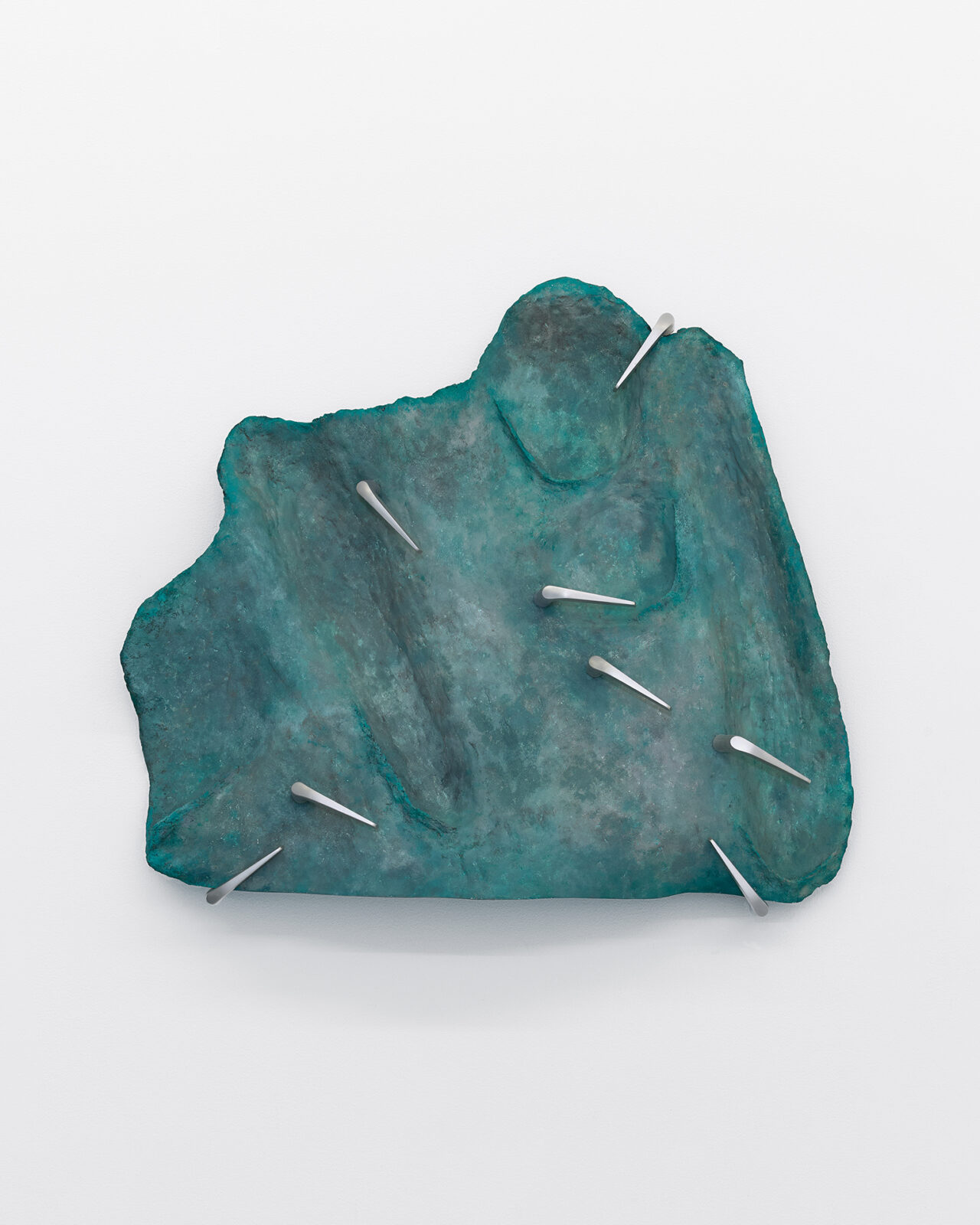
On a slide viewer, the image of a luscious, verdant valley appears. Click. Avalanches of water rushing down jagged cliffs in arterial torrents. Click. An aerial view of a bustling cityscape, chock-full of concrete and crowds. Click. These are the viewpoints: mesmerising, grand perspectives of a place. Viewpoints offering fleeting, awe-striking frames, their optical vastness quickly concentrates into one’s being. The outer landscape serves as a compass, a direct guide to a terraformed internal cartography — the psychic vantage point for interior observation.
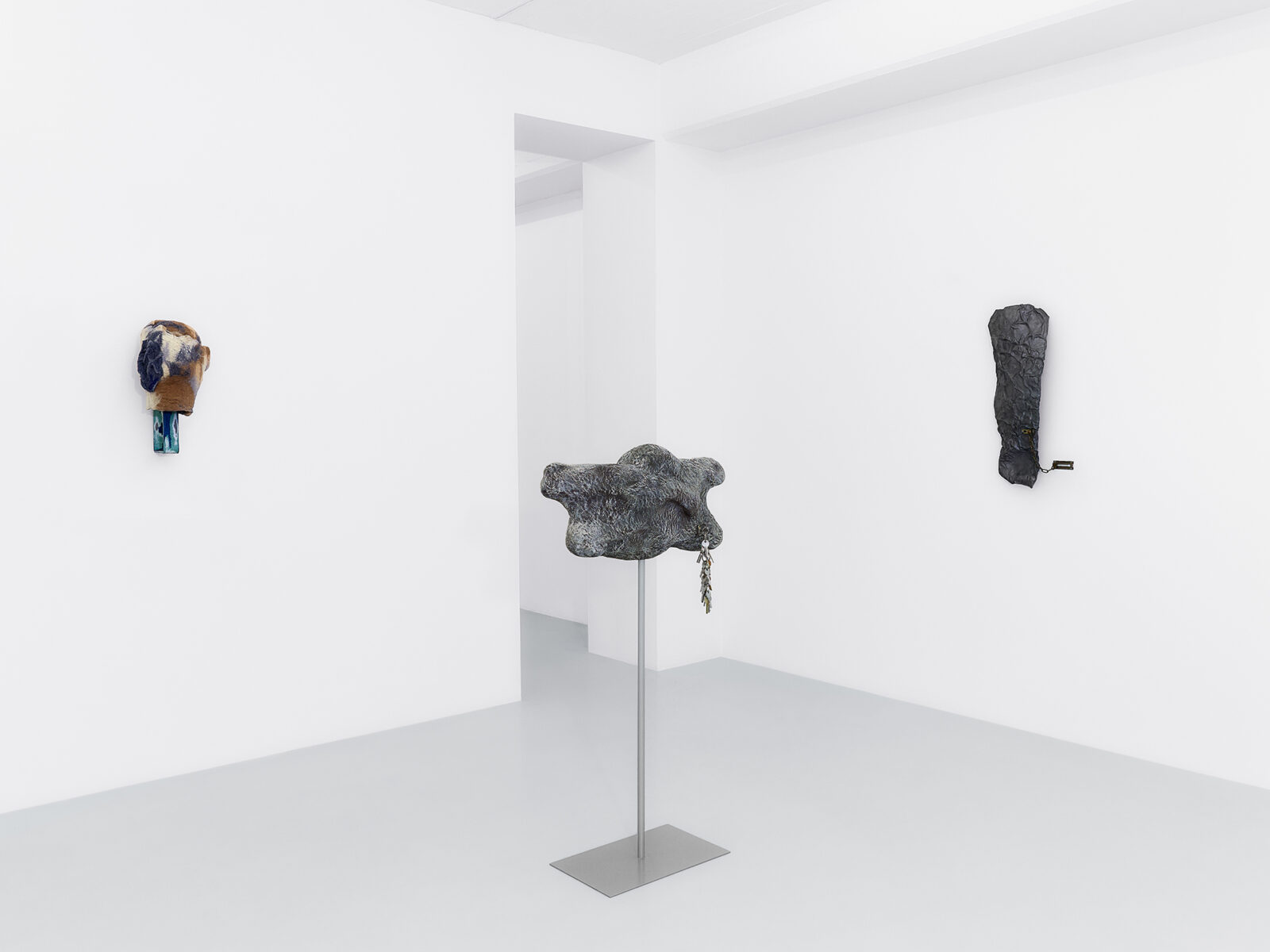
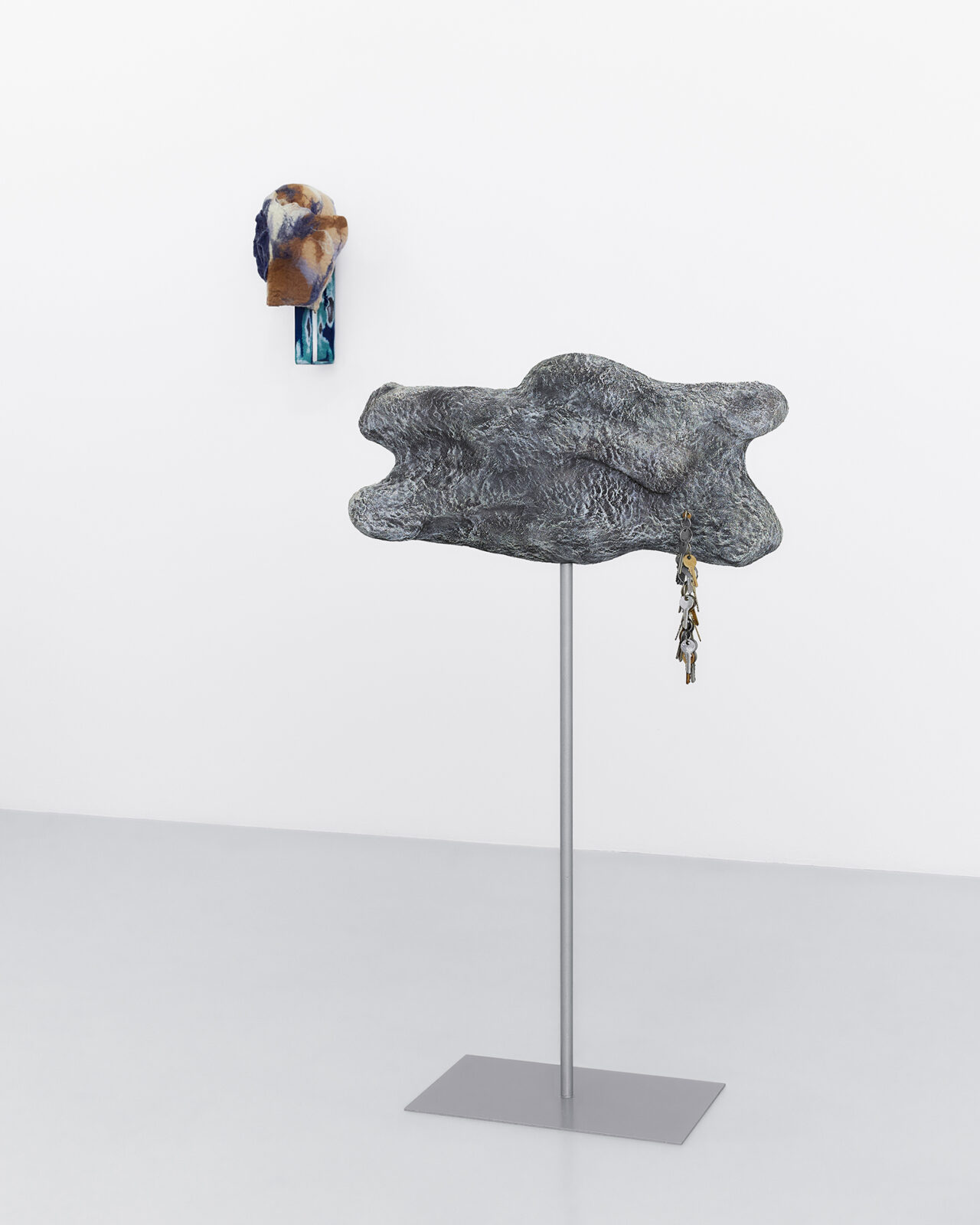
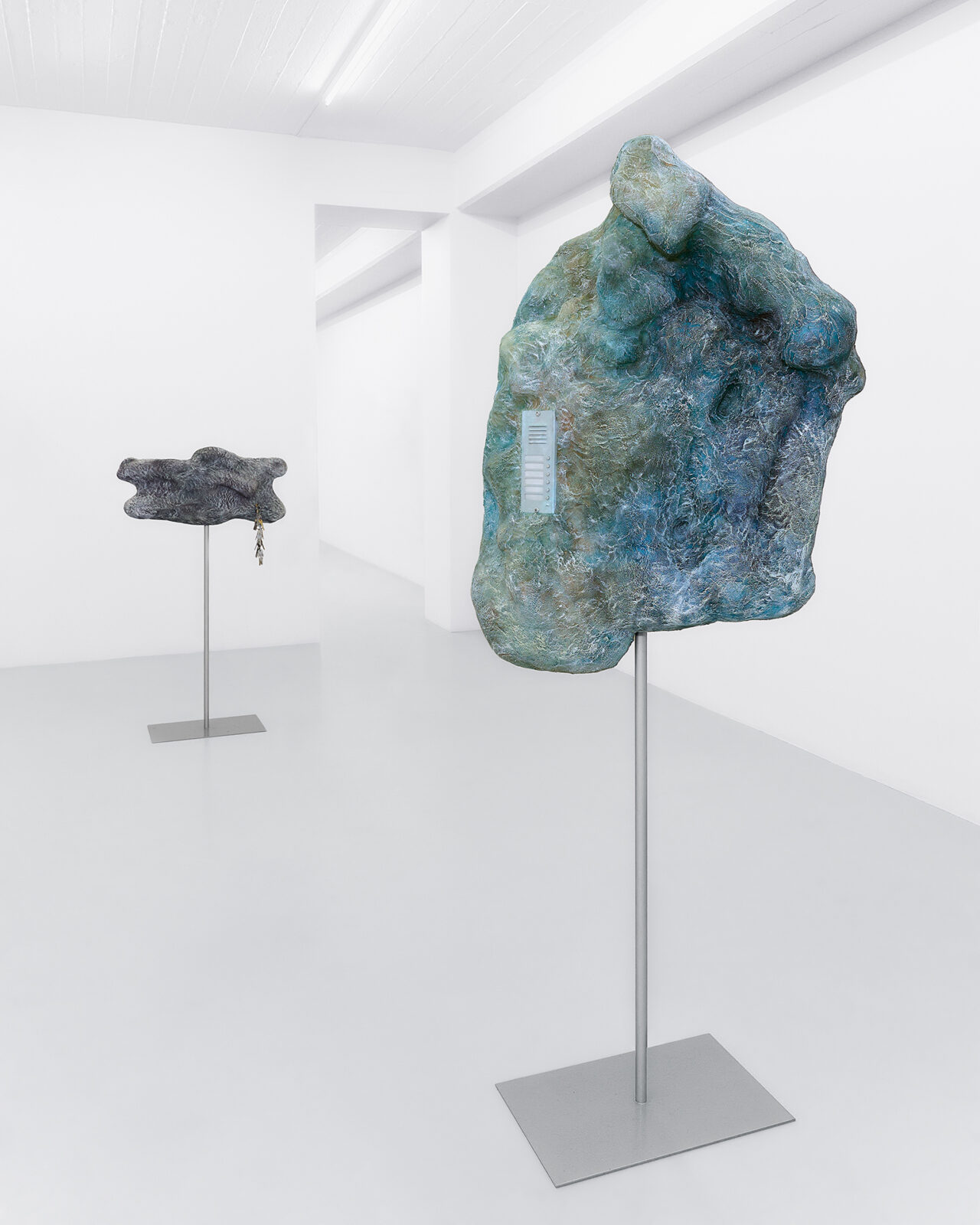
Gizela Mickiewicz’s solo exhibition, Viewpoints, at Coulisse Gallery presents a sculptural cycle that meditates on the merging of internal and external landscapes. Mickiewicz considers the physical surroundings we move through, engage with, and observe––domestic, work, natural, and urban––as active parts of our lives. As our environments imprint on us, so do we imprint on them; material traces ever informing the tangled thicket of self, memory, and retrospect we hold within us, always bumping up against, in a perpetual tug-of-war, with the external. Mickiewicz works sit at the fulcrum of this entanglement, forms weighted in time and space, sculptural harbingers yearning for and of place.
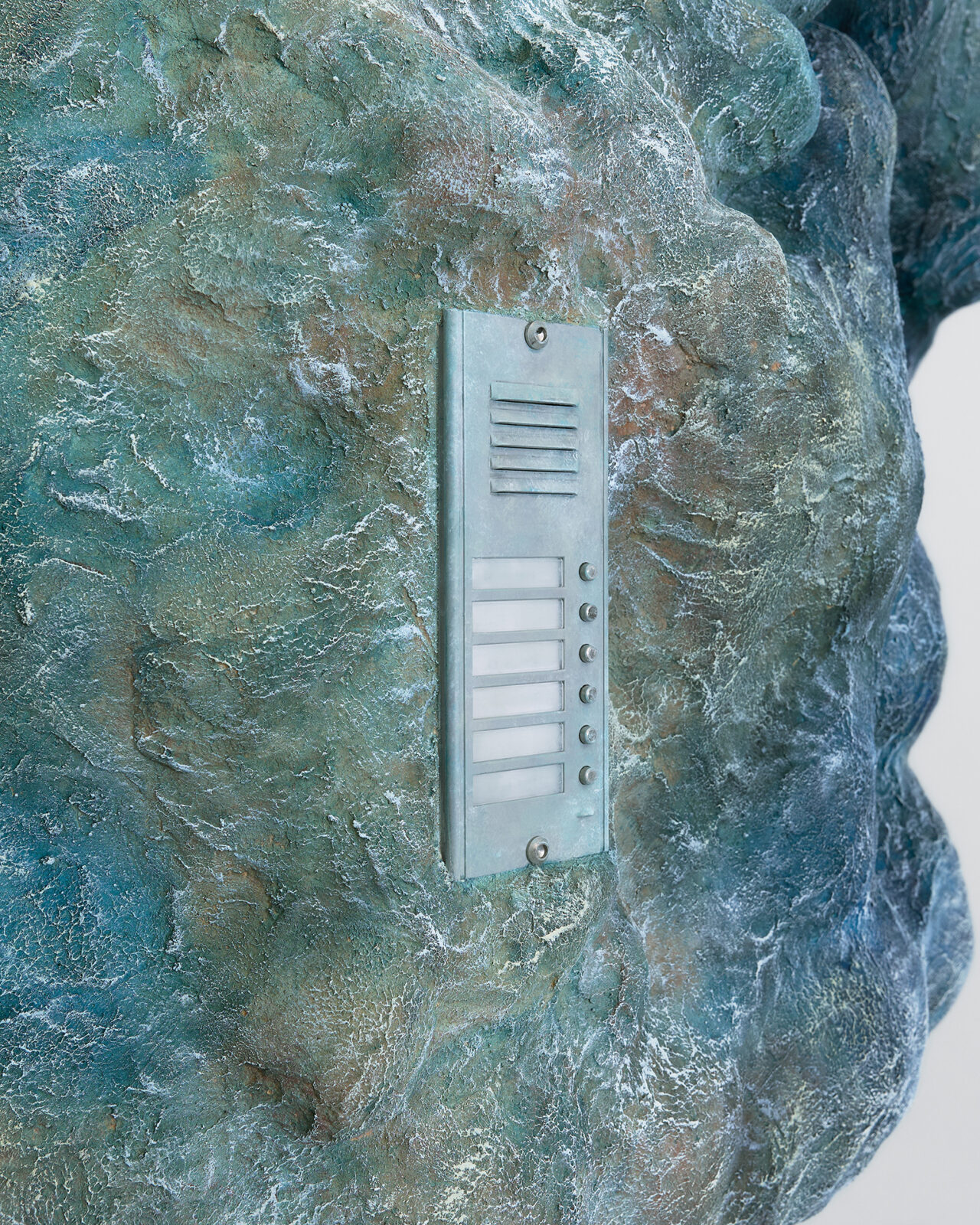
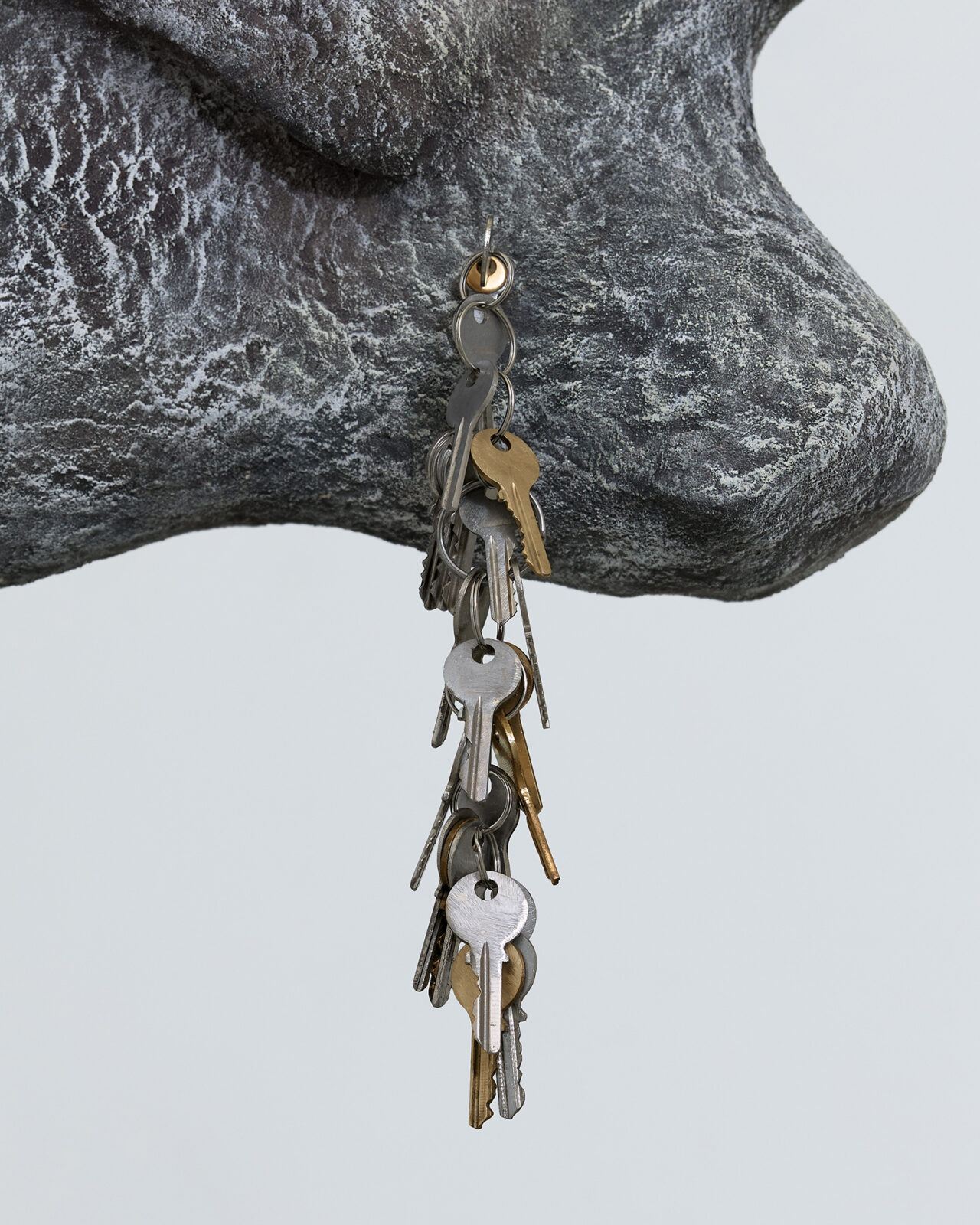
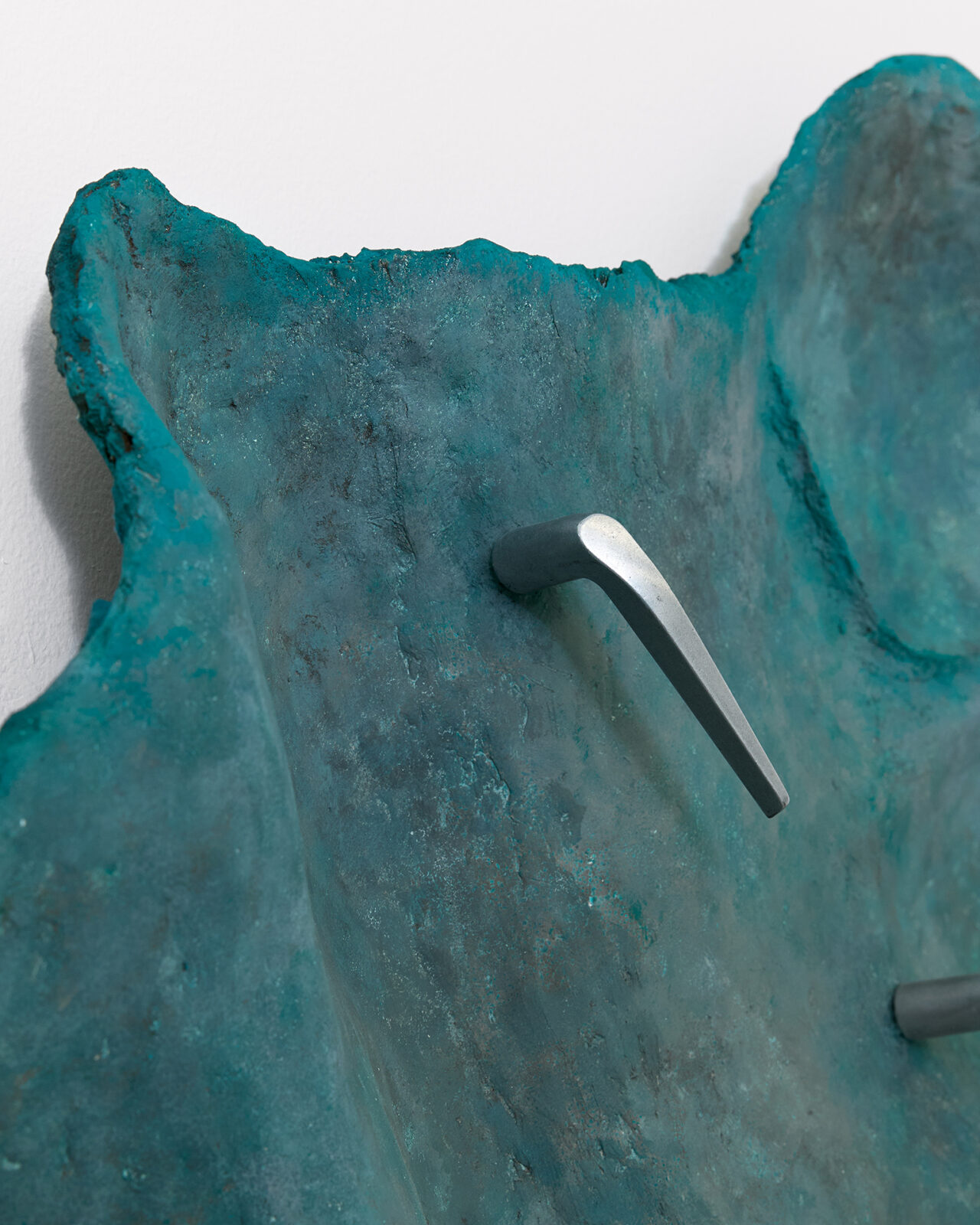
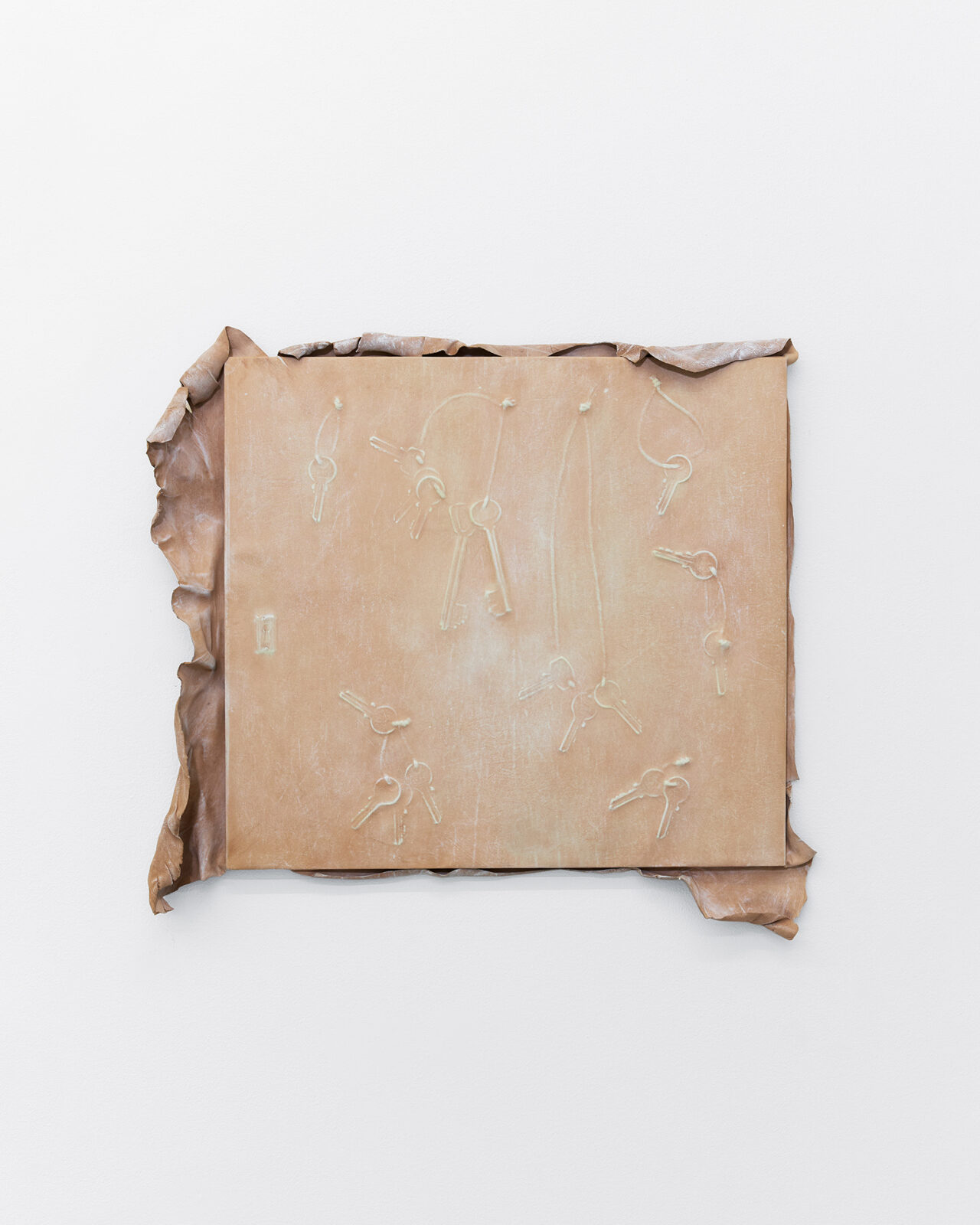
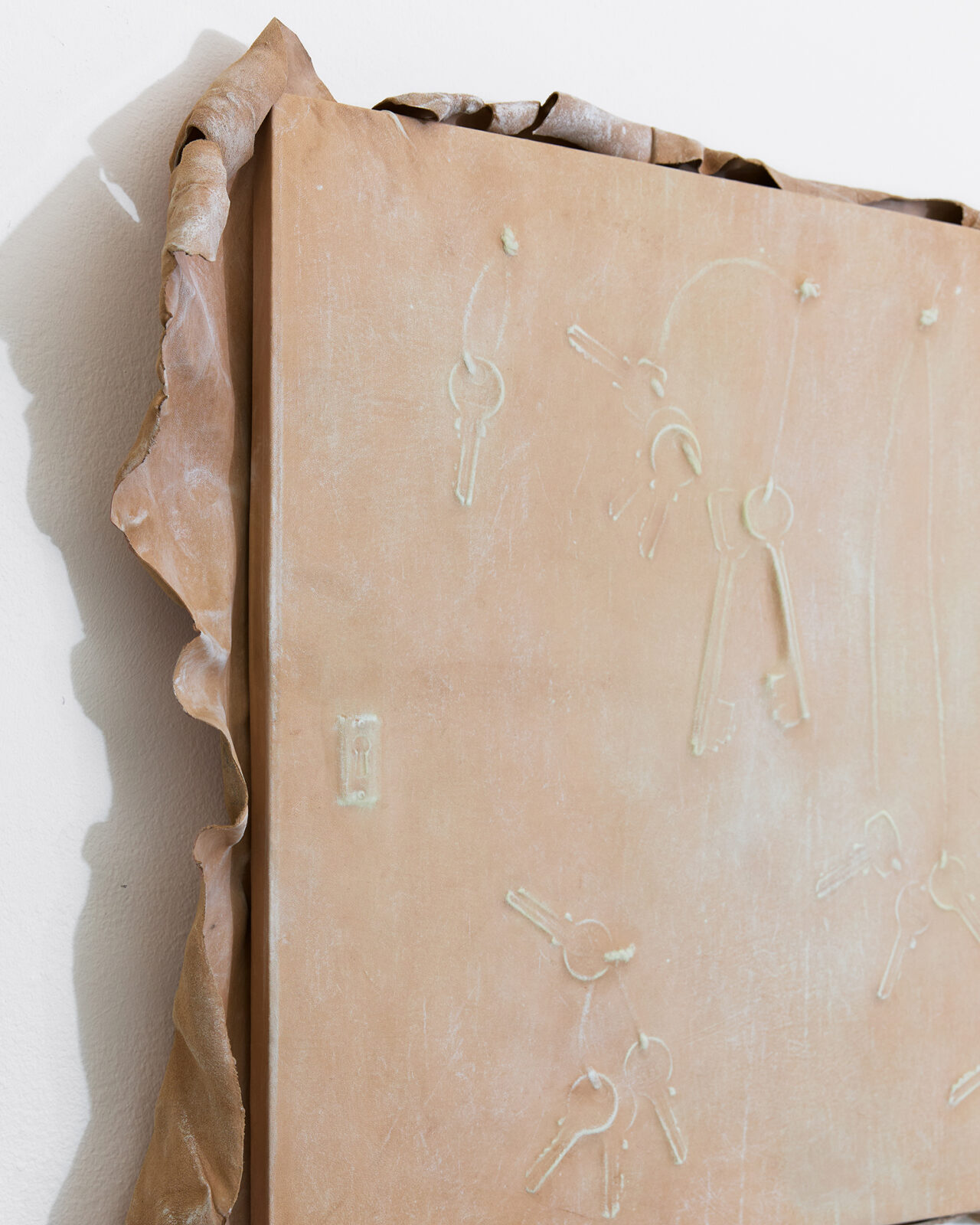
Mickiewicz’s process generates the core of the pieces: she begins with a search for mountainous, rocky locations with sculptural quality and intrigue. Staying in these locations for extended periods, Mickiewicz absorbs their characteristics, both tangible and intangible, then, at last, seeks out fragments to capture the essence long after she has departed. Then begins an extended silicone moulding process, casting the elements which become the formal pulsing hearts of the works. In releasing the mould days later, peeling away a thin layer that preserves the imprint of a place at a particular moment [1], revealing the concrete and ephemeral embossments of said loci. As Mickiewicz sculpts, she combines various moulds with representative materials; whether felt, steel, plaster, fibre-glass, or leather, the mediums are chosen intuitively in connection with the textures and shapes of the original physical landscapes. Each sculpture thus evolves into a modular, faceted being, a final abstract entity constituted from specific forms. The symbols of thresholds adorning the works––found door handles and latches, intercoms, keys, and locks––are representative of the marked boundaries between public and private, another topographical dichotomy key to Mickiewicz’s practice. Through elevating daily tools of access to ornamental foci, these symbols lead us to pause on the daily traversal between the ostensibly distinct poles.
Physical geological processes serve as a key inspiration for the works in Viewpoints. The layering and compression of sediment, the winds pushing dust to and from, sandpapering a rocky shore, the treading of creatures shaping the weary divots of the cliff, and a persistent erosion dragging the roots to the creekbed. For Mickiewicz, these cyclical abrasions shaping the earthly features around us are analogous to the tenuous, additive processes of memory and experience that comprise identity formation. Just as the landscape is in a state of ever-shifting impermanence, so is the transformative construction of the inner life. A piercing allegory, Mickiewicz combines physical and psychic processes to build sculptures that offer rooted yet transformed moments of perception, constructing a new way of seeing.