Gizela Mickiewicz
The Shortest Distance
18 September - 31 October 2026
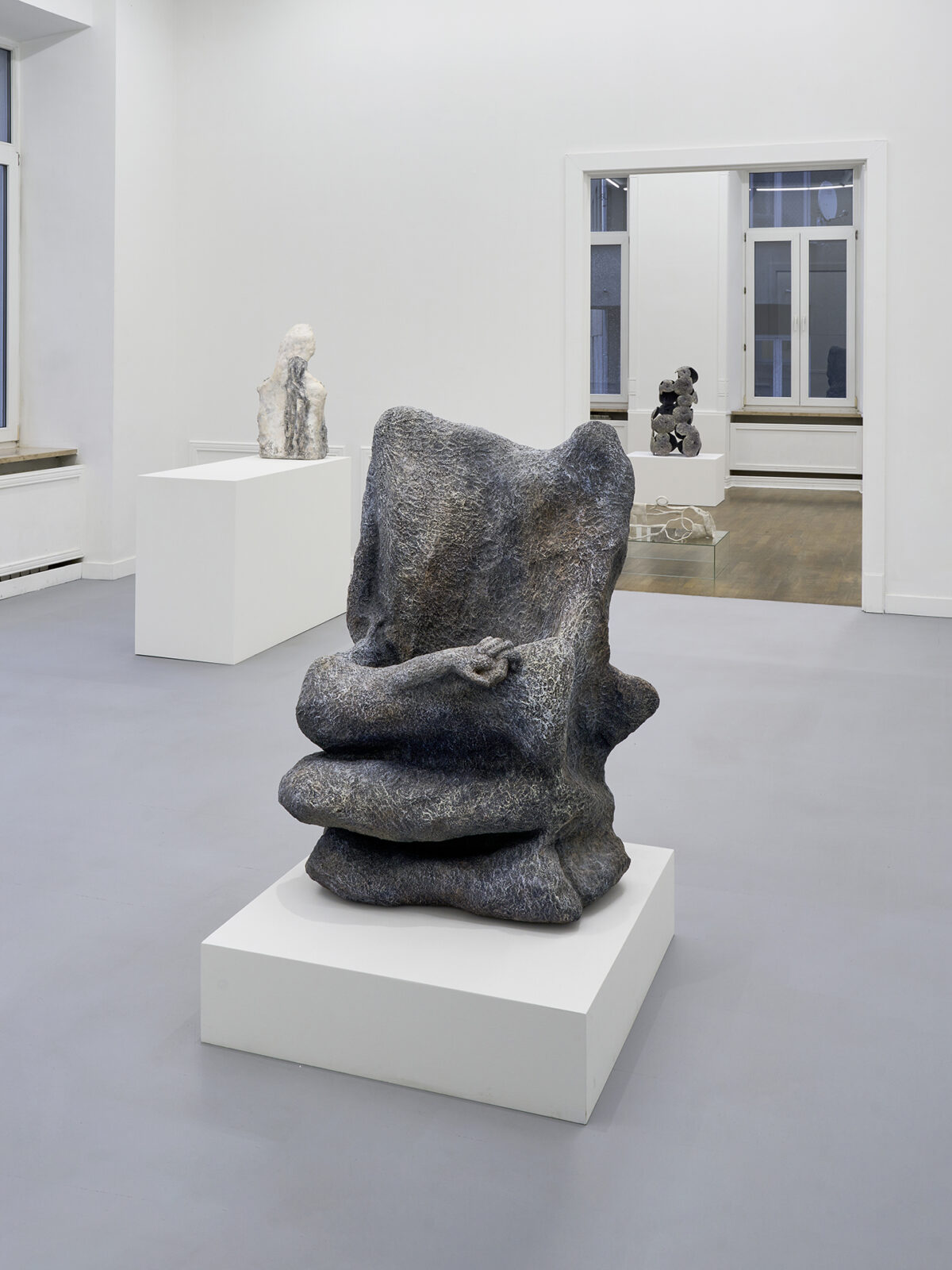
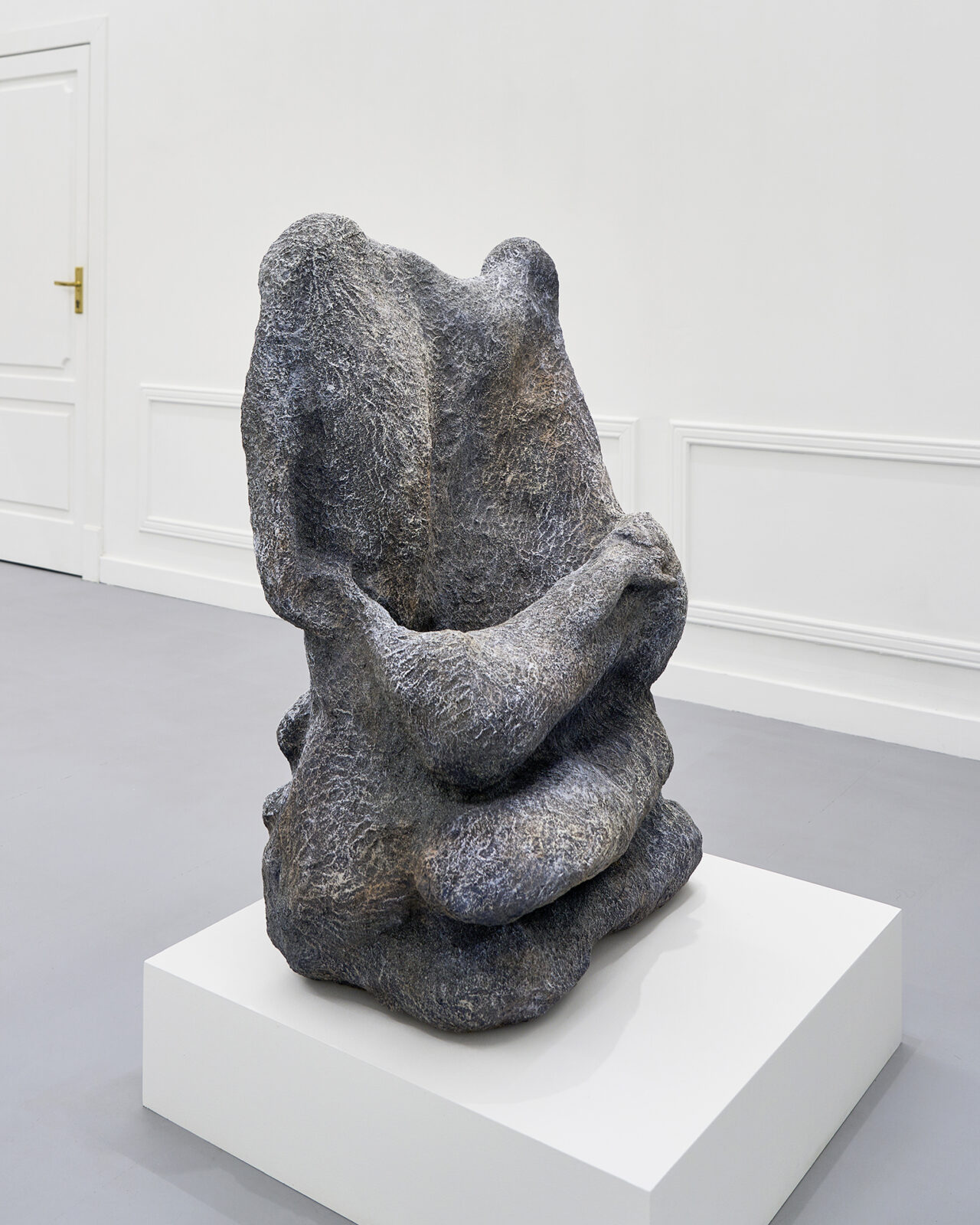
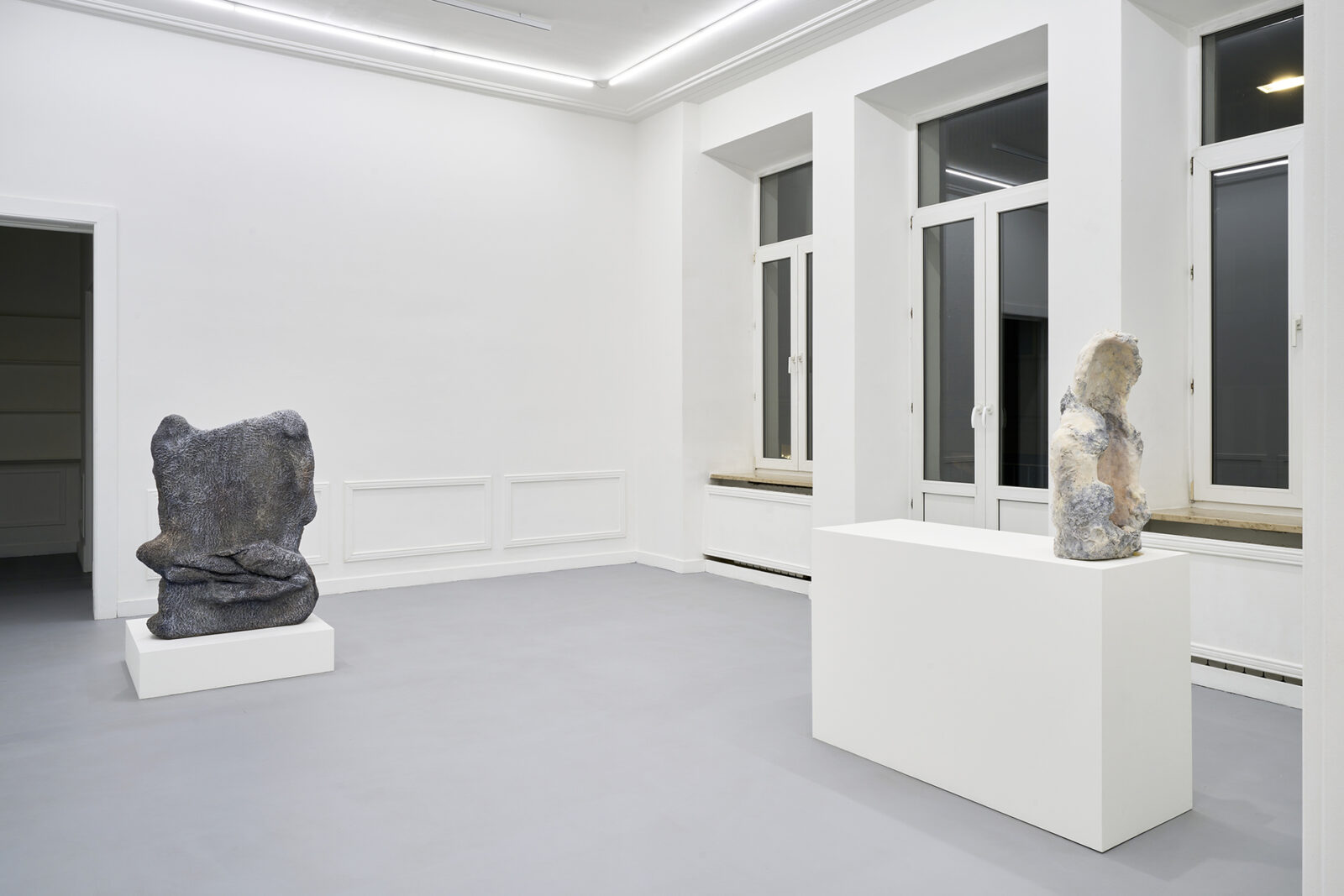
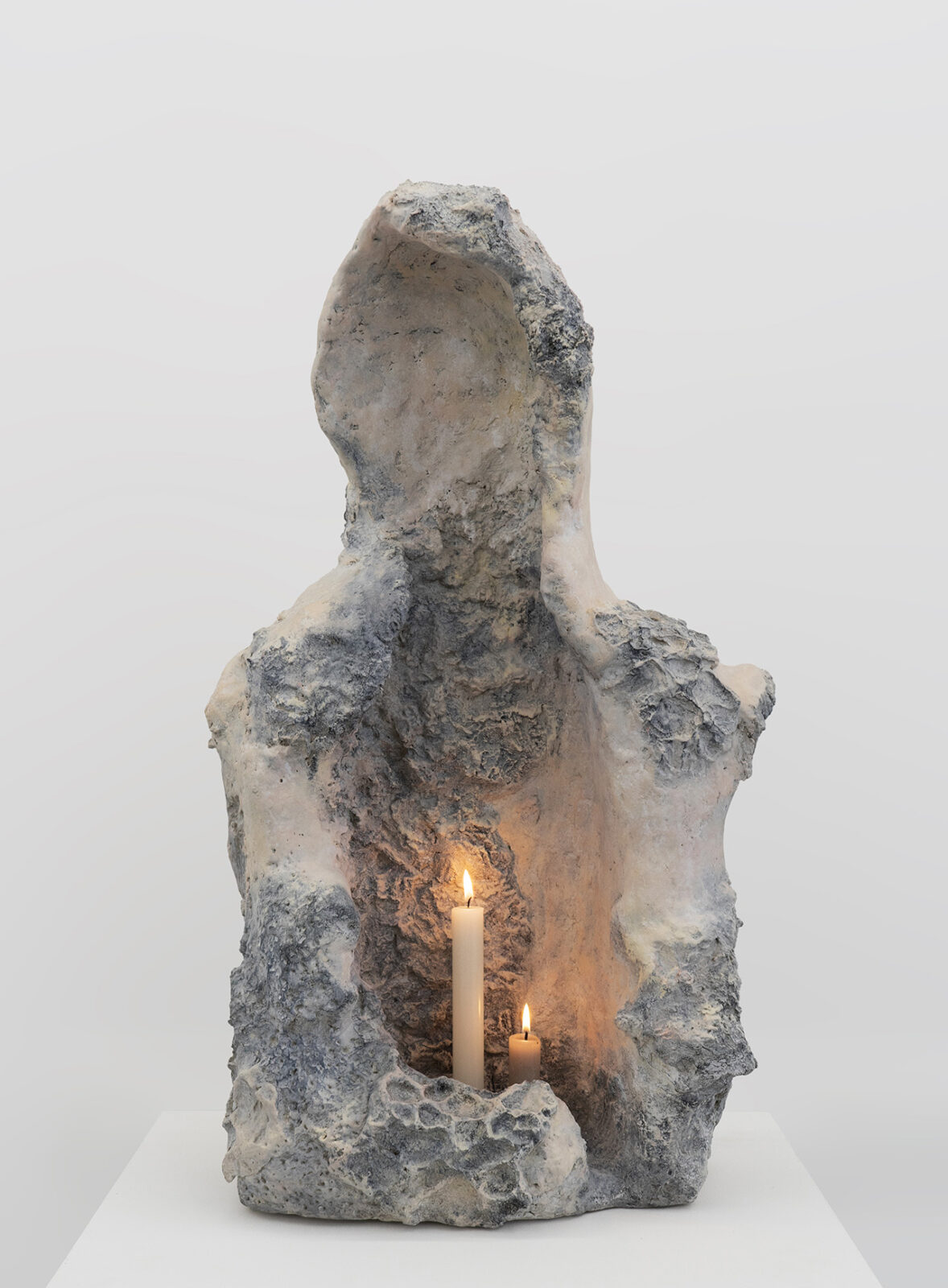
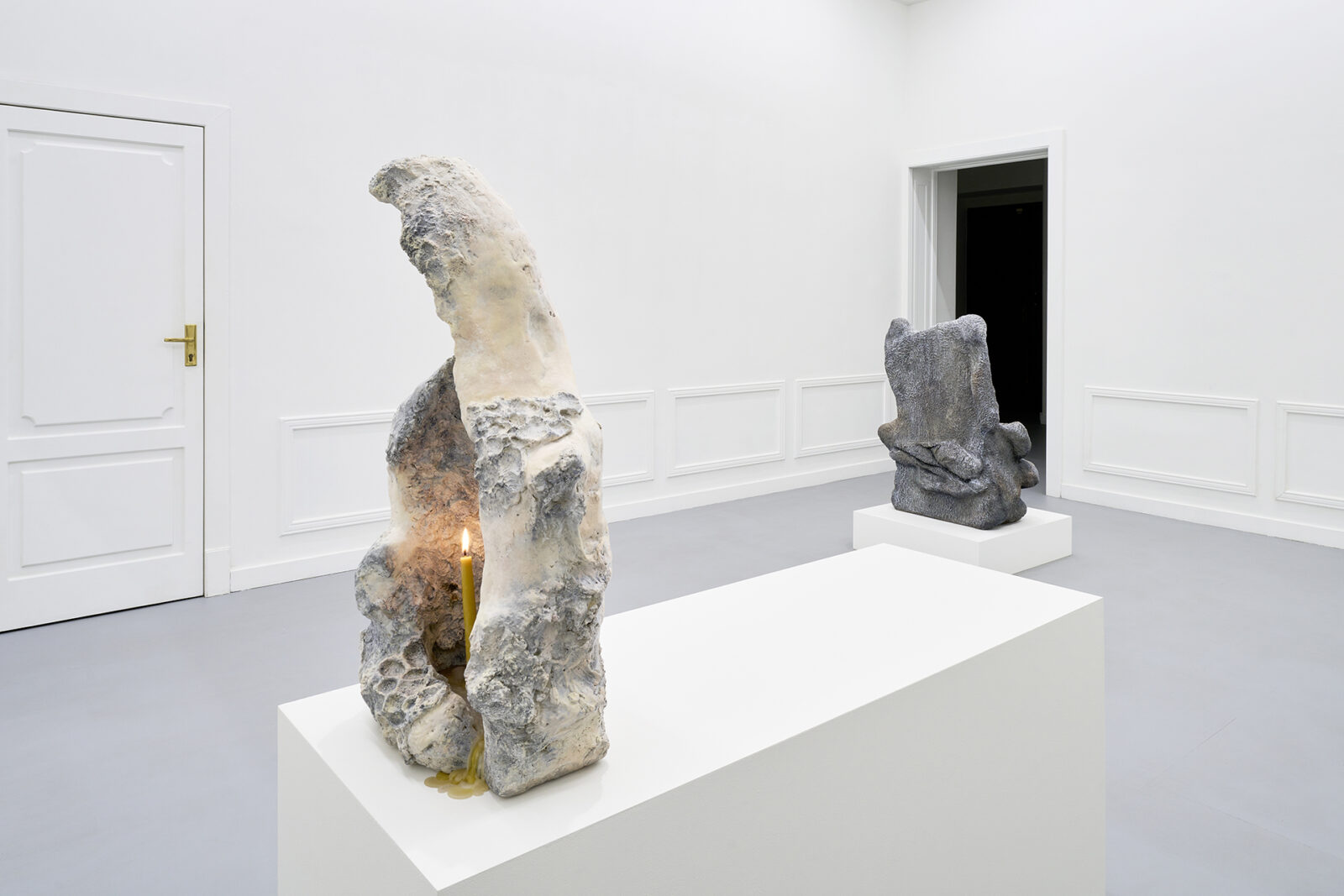
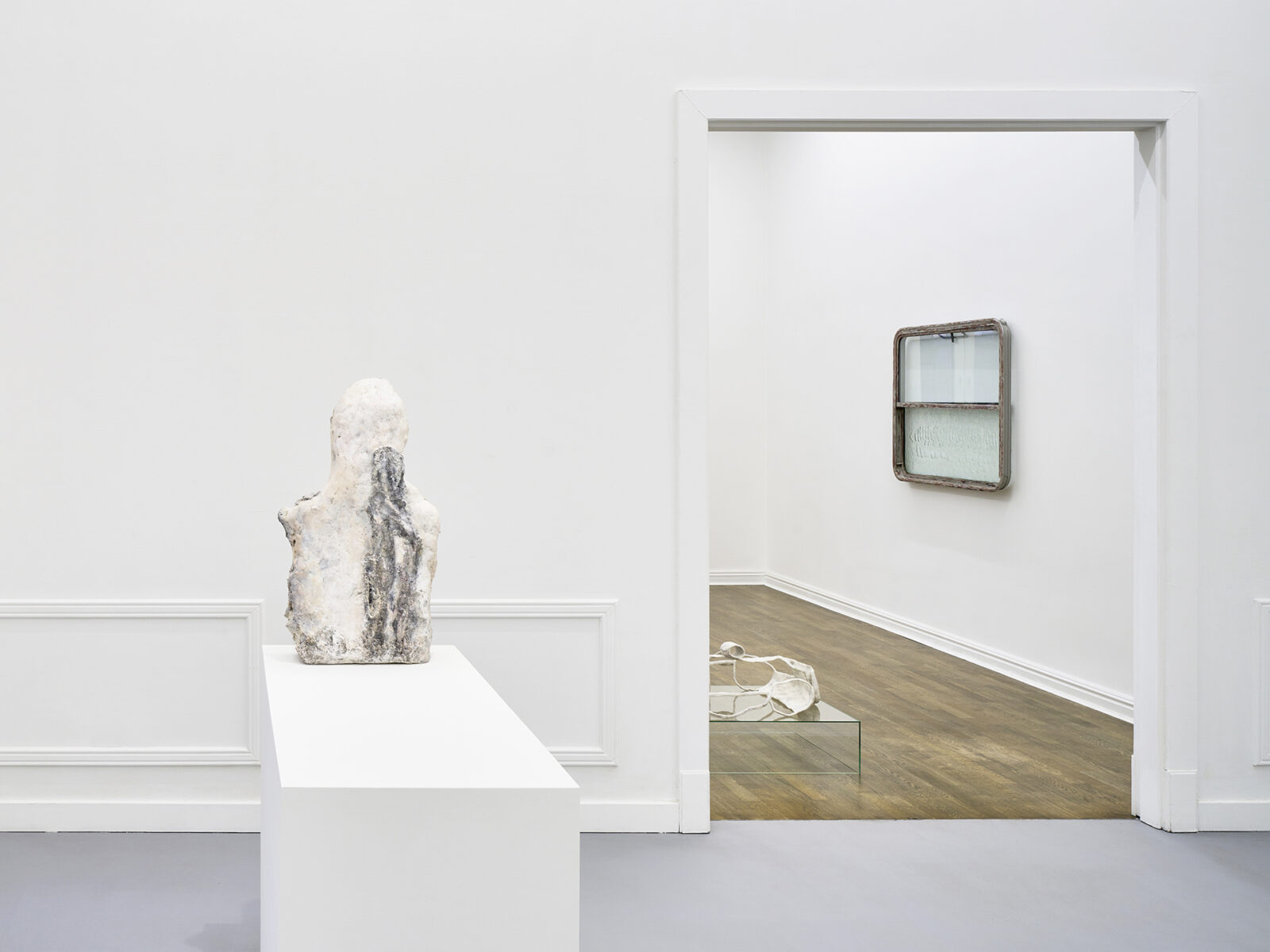
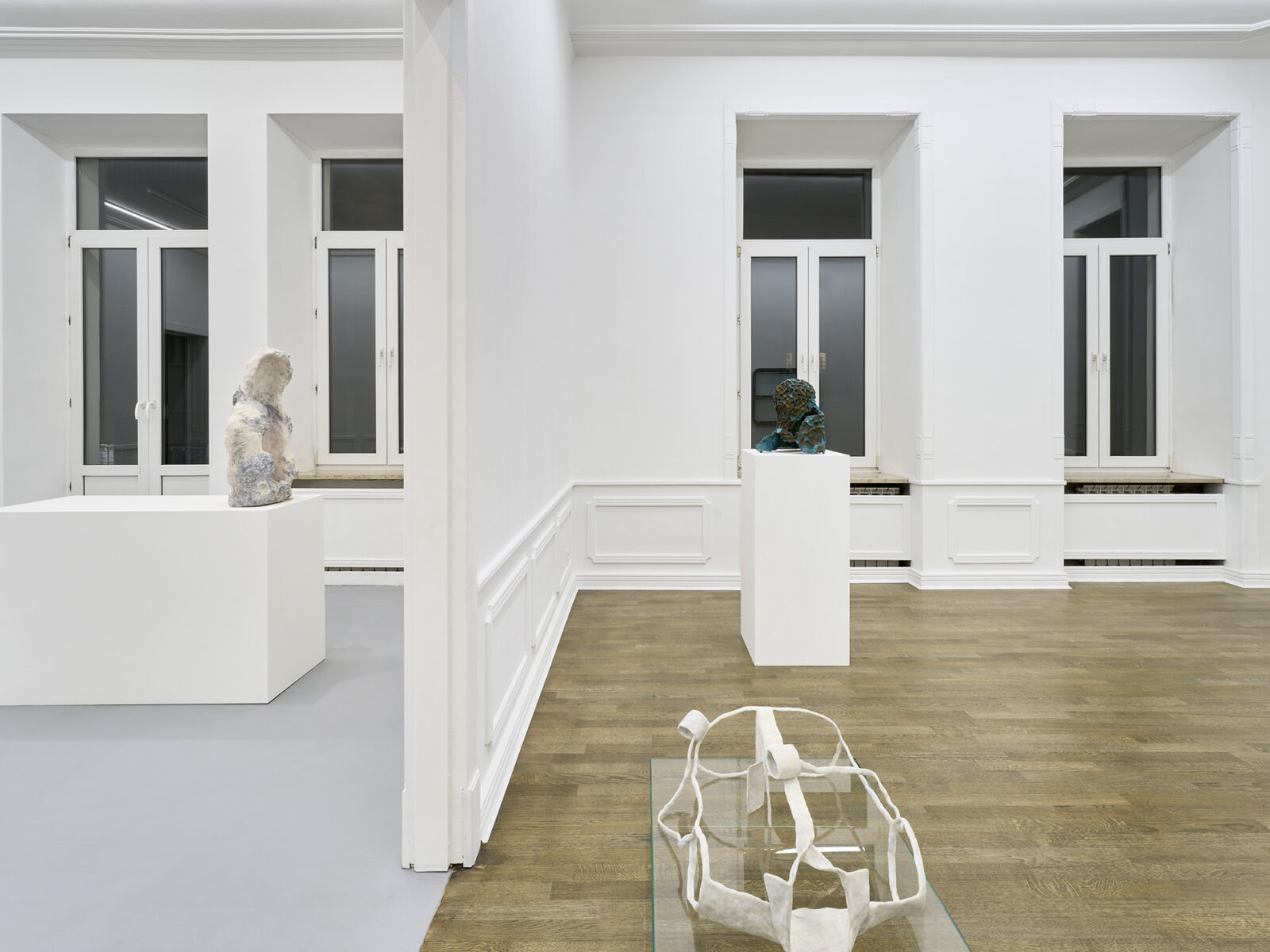
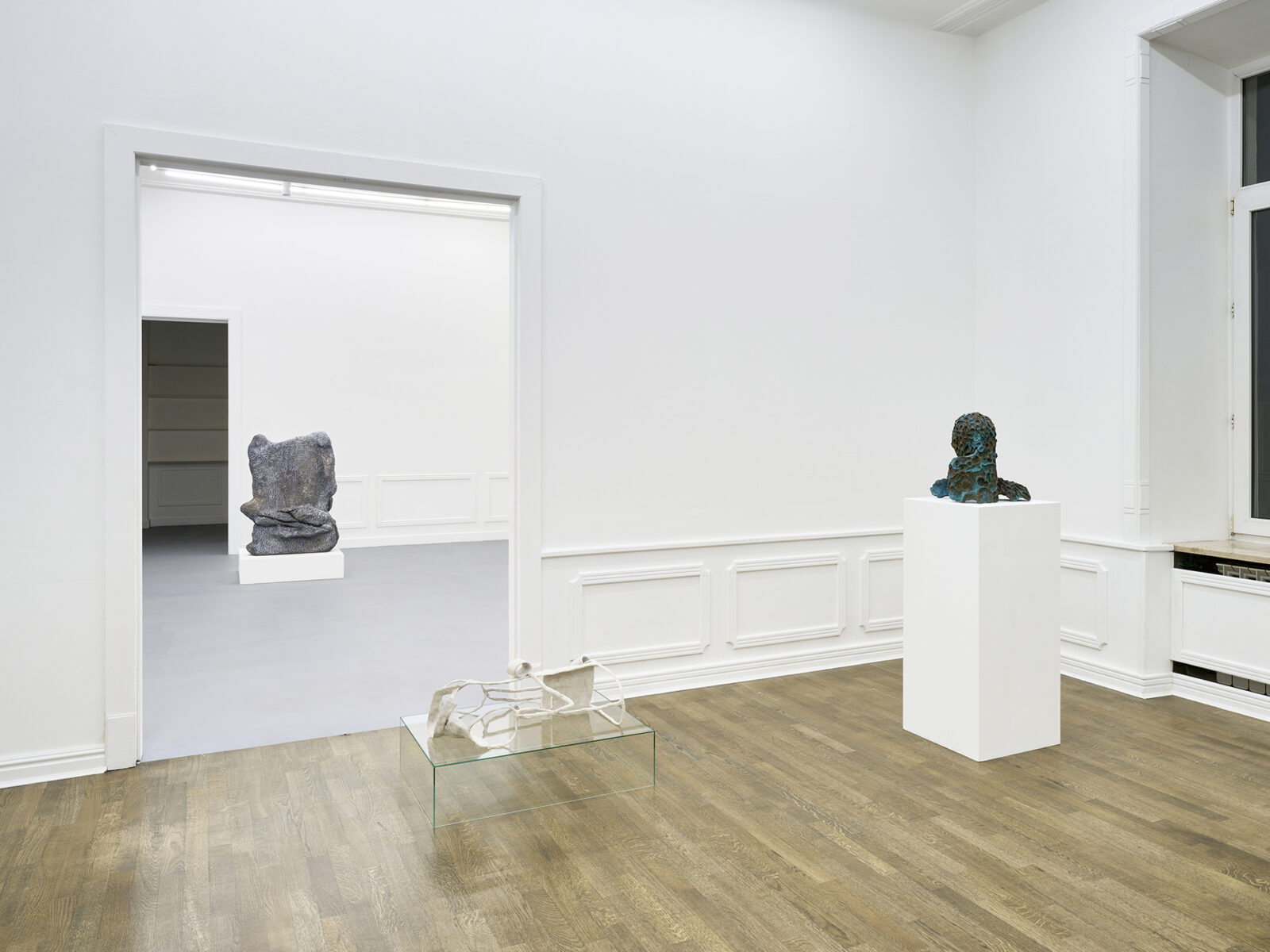
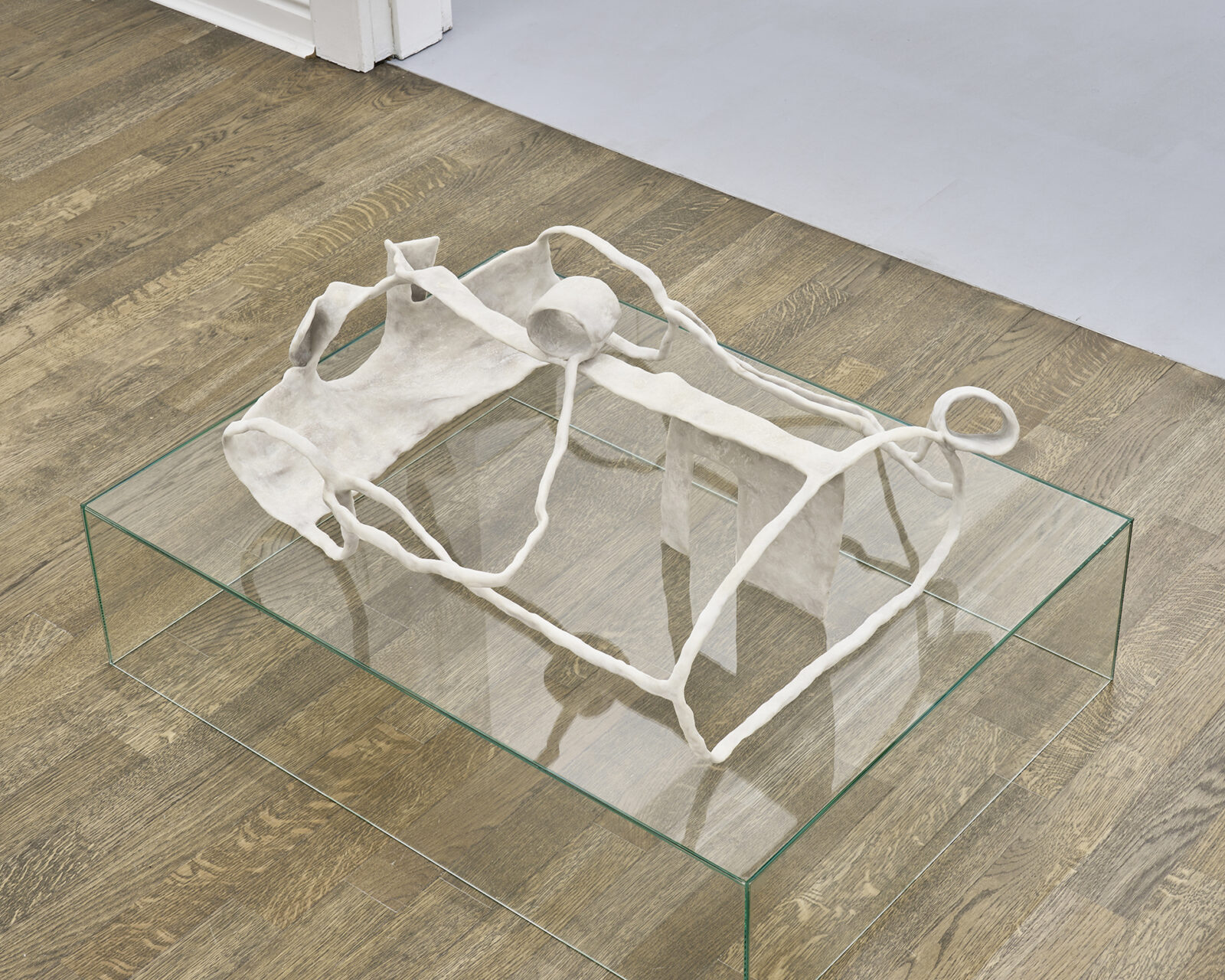
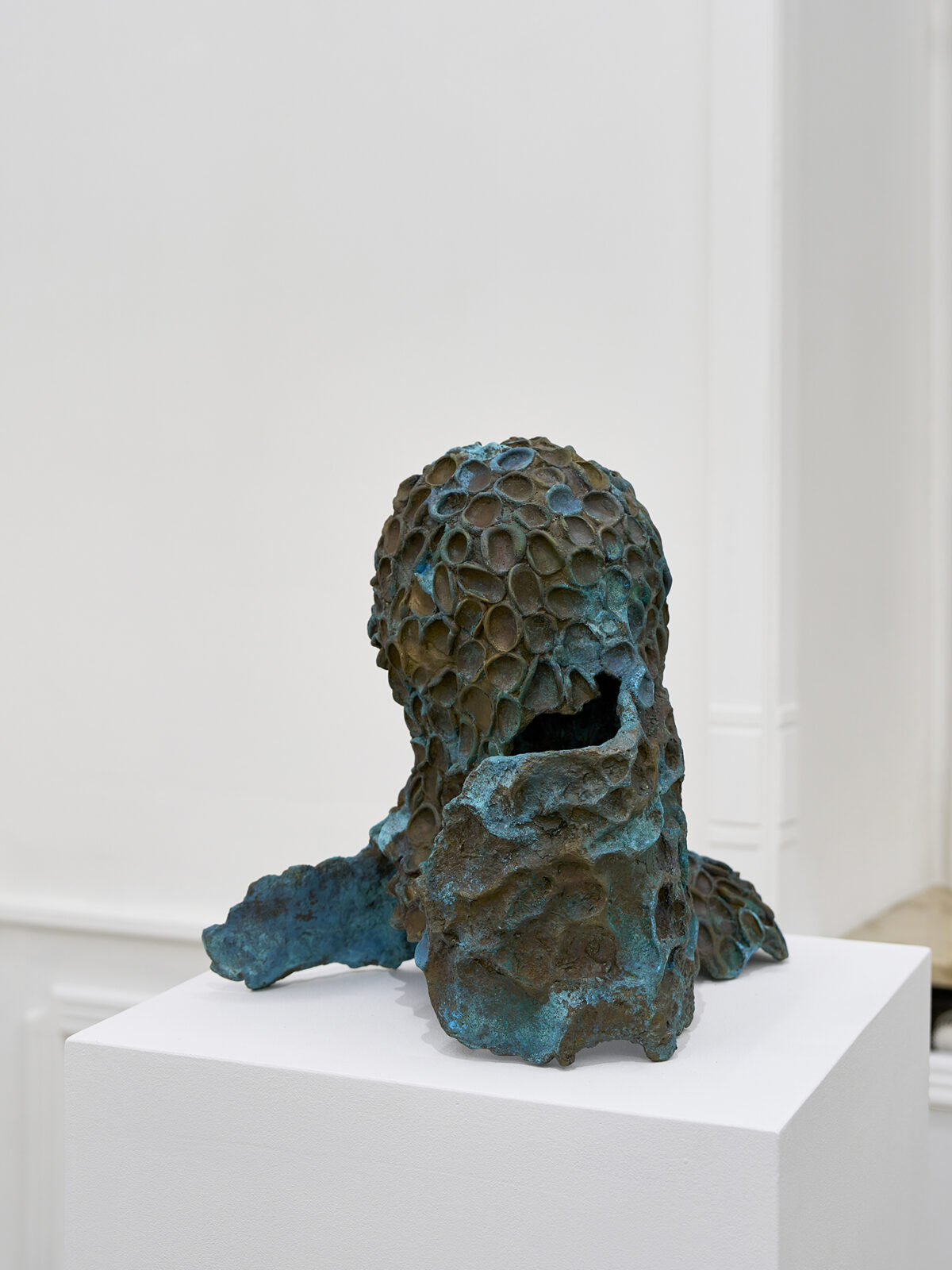
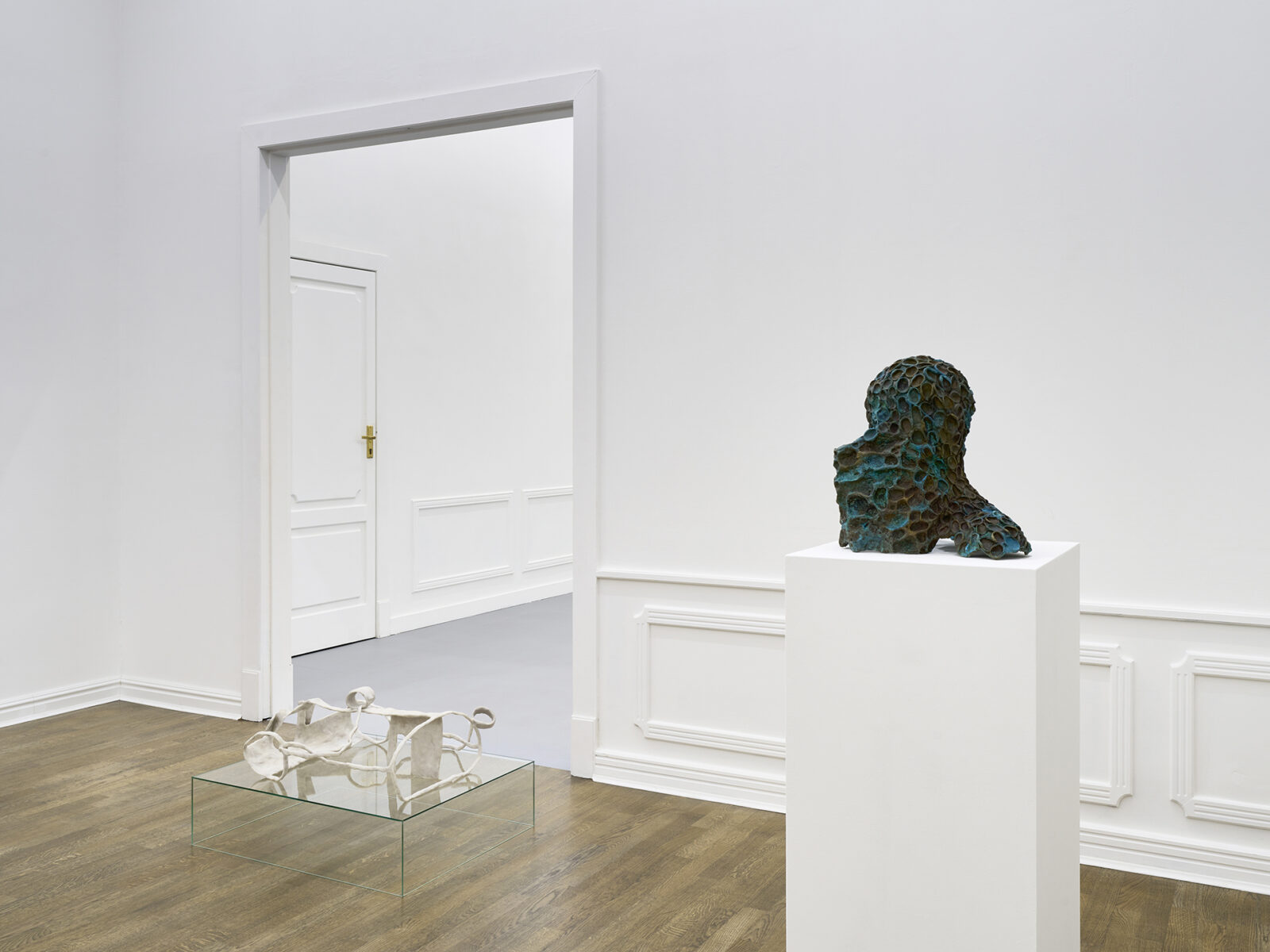
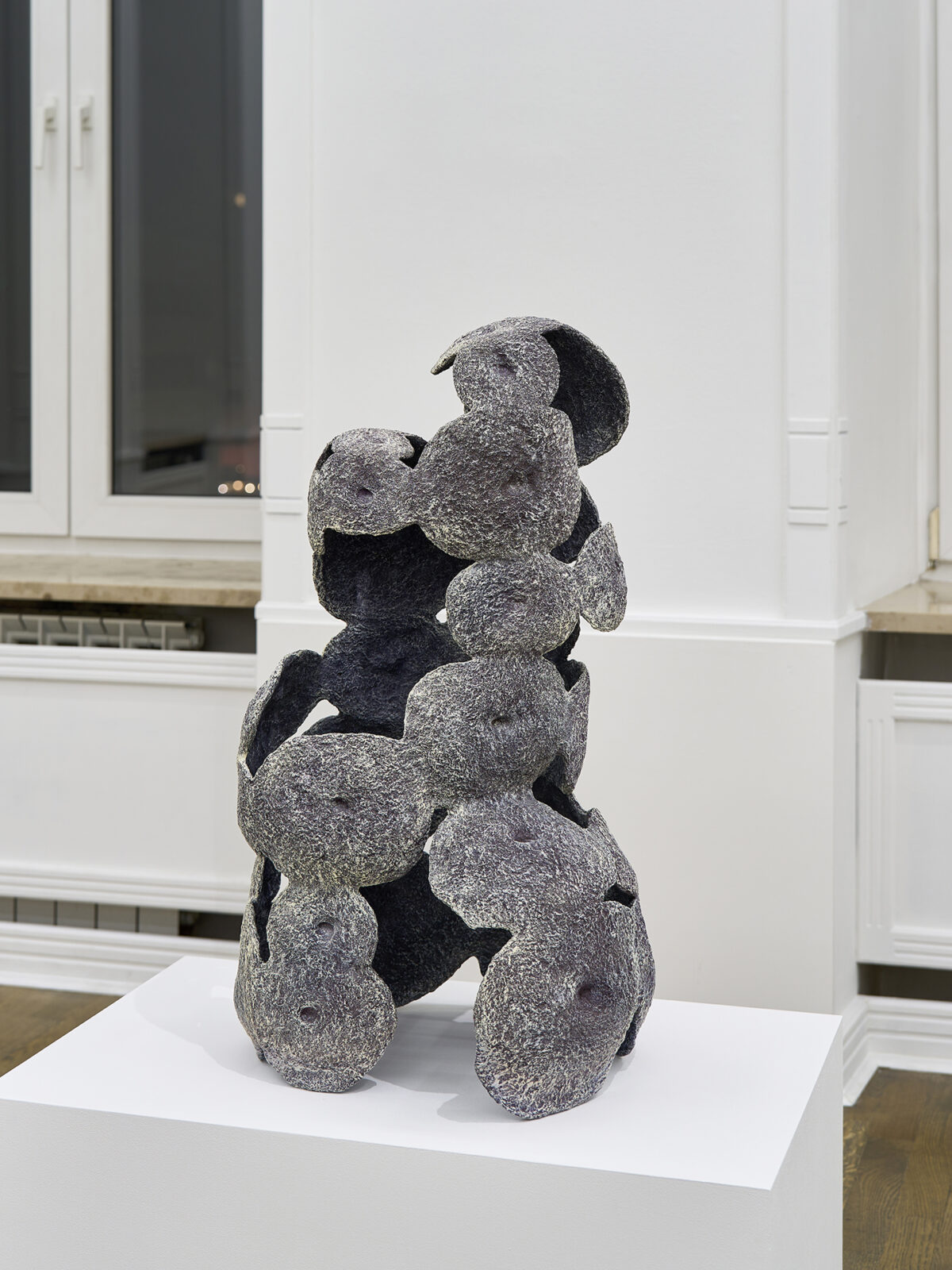
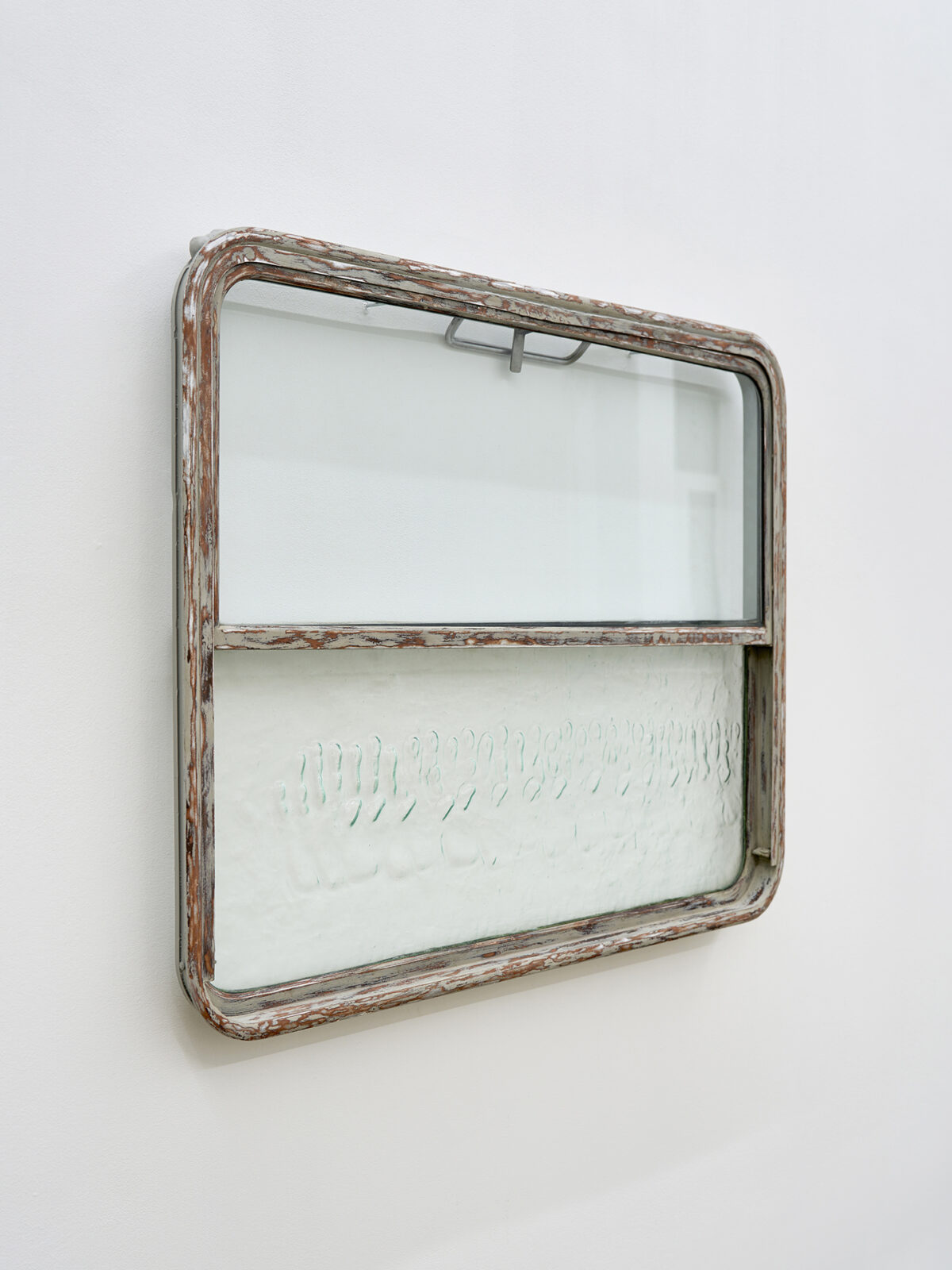
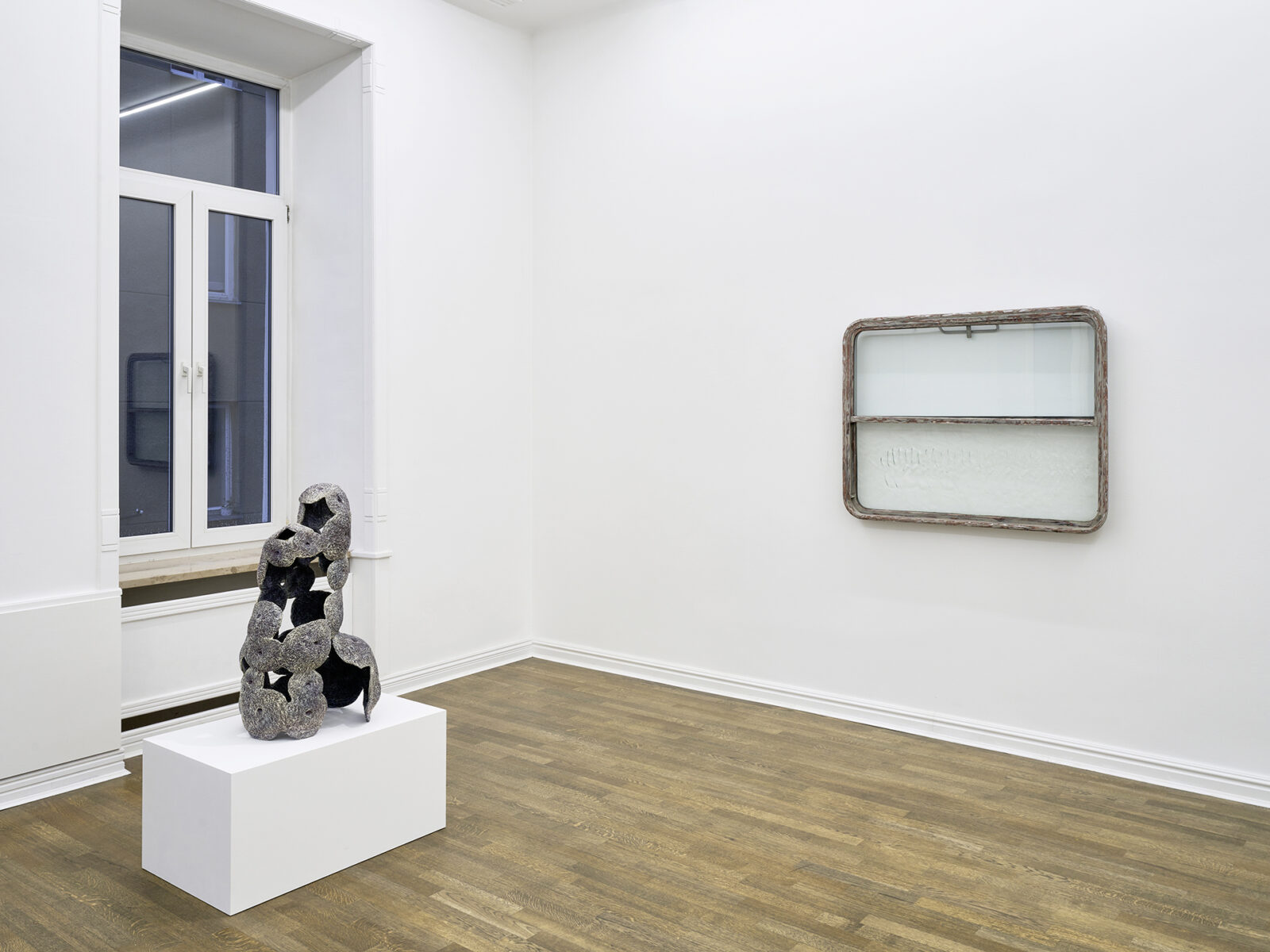
- She had walked along this path many times before, but only now did she notice that the roots of the beech tree growing at the fork in the path were intertwined in a way that seemed familiar: they resembled fingers, thickened and twisted. She gazed at them and became certain that there was a similar shape within her, too, something entwined, woody, twisted – perhaps forgotten, perhaps saved for later. As she was walking back home, she was examining her fingers – once supple, now weary – and thinking about how she liked to touch textures, shapes and materials that she happened upon; she liked to recall their alien physicality, and yet if there were memories she could not do without, they would come from her own home. Even so, she would never say that she carried her home within her; she needed it as a separate, real space, and yet she could admit that she also found her place in other spaces, in the chance intersections of memory, feelings and objects.
- She was walking this way for the first time, so it was hardly surprising that she almost tripped over the paving slabs jutting out next to the stone rubbish bin; it was apparent that nothing had been repaired in this forgotten seaside village for a long time. She was reminded of the bus stop where she used to wait every day on her way to school, a plastic shelter covered in tattered notices, and a few steps further on, a rubbish bin where people would hurriedly stub out their cigarettes as the tram approached. She wasn’t thinking, however, about the shelter, the rubbish bin or transport, but about the shape of the space between them and the space that emerges between waiting and the decision to go somewhere else, to enter another space, to find herself somewhere different. Would there also be something there to associate with, to recall, to give, to take with her? Some places refuse to exchange anything. In the evening, she realised she had been carrying a fragment of that tram stop within her all along, and she wondered what fragments of that place others also carry within themselves. If she were to recreate that place, she would open up the possibility of bringing together, around it, people who had never been there; yet this recreation would have to be more than a mere repetition – it would have to capture that which makes one want to ascribe meaning to it, but never quite manage to do so.
- On her way to the café, she noticed cracks in the old, grey façade. They formed an irregular pattern, or perhaps a map of a place that had never existed. The furrows were deep, almost sharp; next to them she spotted some graffiti tags that had already faded, and in the entrance to the stairwell, a few stickers advertised initiatives she couldn’t recognise. She was in the centre of a bustling city, but as she ran her hand and gaze over that wall, all she could hear was silence. She would like to take this wall away and keep it forever too, except that without its surroundings and without the whole tenement block, it does not exist. Without the pavement, the trees, the street, without the stairwell and without the inhabitants, it is nothing. If she took this wall away, it would still have to belong to everyone who might pass by. A photograph did not solve the problem either; it contained only an image of a moment, not the substance of an encounter. That substance is tangible and can find its reflection in a cast; it will then undergo a process of shaping that will reveal yet further dimensions of a given place. That place will expand to include traces of encounters, unexpected connections, and both chance and necessary relationships. None of this substance will ever belong to her, but she likes the fact that it passes through various states and people, leading a life of its own. Especially places, spaces. They will never belong to her, yet she can transform them and present them as independent.
- Gizela Mickiewicz collects imprints of places, preserves and transforms them, and then presents them to others, thereby exploring what they might become. If a place carried something on one surface, she could hold it on another, one inside, the other outside, whilst the interior and exterior impact each other and may even swap places. The boundary of the skin and the boundary of the surroundings intersect, but the sculpture emerges in a space where neither side holds complete authority. The sculpture transcends existing boundaries and recreates them anew; perhaps this is why we can perceive what divides and unites us, and what comes to life within us at the point of contact with the outside world. It retains something of the landscape’s actual shape, of the mass of a given object, of the texture of its surface, yet it becomes something more fundamental: proof that something has come into being here that may form the basis of life on the very edge of comprehensibility.
Aldona Kopkiewicz- (Translated by Agnieszka Matkowska / Editing: David J. Rix)
The exhibition is being held as part of Warsaw Gallery Weekend 2026.
Photos by Błażej Pindor